20ft and 40ft dry containers
Standard and high-cube supply around Tianjin remains depot-, date- and condition-specific.
CNTXG / Gateway briefing
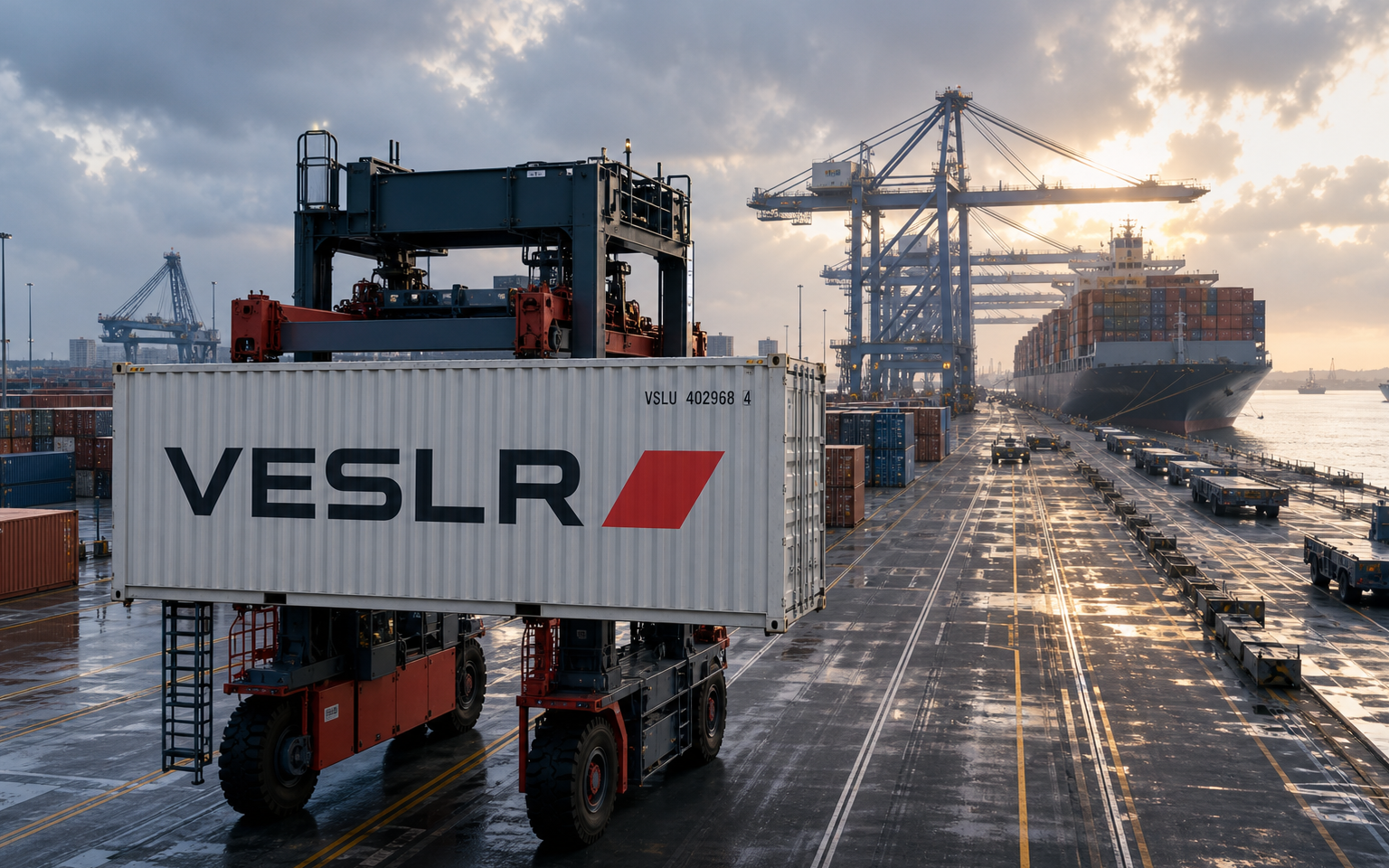
Tianjin is the primary maritime gateway for the Beijing–Tianjin–Hebei region and a major outlet for northern China's automotive, machinery, steel and project supply chains. Commercial planning should identify the exact terminal and service rather than treating the city label as a complete routing instruction. Cargo readiness, equipment release and documentary cut-offs are connected decisions.
01 / Gateway use
The port suits cargo around Tianjin, Beijing, Hebei and connected inland rail corridors, while long origin distances, winter conditions and terminal-area instructions need close control. VESLR evaluates that gateway role against the actual shipper, consignee and cargo profile, with onward trucking or rail, terminal handling and the destination handoff written into the scope.
03 / Global services
Tianjin leases match northern China equipment with the booked terminal area.
02Container sales include delivery from coastal depots into Beijing–Hebei factories.
03Forwarding connects inland rail or road legs to Tianjin gate and customs milestones.
04Project cargo validates northern routes, winter controls and terminal receiving capability.
04 / Equipment and operating variables
Standard and high-cube supply around Tianjin remains depot-, date- and condition-specific.
Temperature range, pre-trip status, machinery, power and monitoring responsibilities require confirmation.
Payload, concentrated loads, over-dimensions, securing and carrier acceptance are checked for the actual cargo.
Urban restrictions, factory distance and consolidation can make origin timing more variable than the map suggests. For Tianjin, confirm the responsible party, applicable cut-off and cost consequence before dispatch.
The exact terminal, gate system and customs status should be established before dispatch. For Tianjin, confirm the responsible party, applicable cut-off and cost consequence before dispatch.
Cold, wind and occasional visibility disruption should be reflected in equipment and schedule planning. For Tianjin, confirm the responsible party, applicable cut-off and cost consequence before dispatch.
05 / Corridor context
Ocean services and inland rail links give Tianjin a broad northern hinterland, with each Gulf movement assessed against current carrier rotations.
06 / Related insights

Resilience is not carrying every possible backup. It is knowing which assumptions can fail and having usable alternatives.
Read the field note
A Doha delivery becomes more predictable when product compliance, supplier readiness, freight and customs are planned before cargo leaves China.
Read the field note
A useful inspection turns your approved product into observable checks—and leaves enough time to act on the result.
Read the field note07 / Alternate gateways
08 / Gateway FAQs
Urban restrictions, factory distance, consolidation and rail availability should be mapped before the empty release and terminal cut-off.
Gate systems, customs status and trucking instructions differ across the port, so a city-level destination creates avoidable dispatch risk.
Cold, wind and visibility can affect loading, roads and vessel windows; sensitive cargo needs an agreed hold and escalation process.
Source review
Reviewed 2026-07-22. Port capability and service acceptance are checked again for each movement.
VESLR / CNTXG