The short answer
Verify that the legal company exists, the people and bank account match it, the supplier can make your exact product, samples meet a written specification and finished goods can be independently inspected before the final payment. No single badge, video call or marketplace history replaces the full set of checks.
Confirm the company behind the storefront
Start with the legal entity, not the profile design. Request the company’s registered name in Chinese, business licence details, registered address and the name used on the sales contract and invoice. Use credible official or professional sources to check that the registration is active and that the business scope makes sense for the product. Establish whether you are dealing with a manufacturer, trading company or an agent; any of those can be legitimate, but each creates a different chain of responsibility. Compare email domains, phone numbers, quotation headers and beneficiary details for consistency. An Alibaba verification label can be useful evidence, but understand what it actually checked and when. It may not confirm production capacity, ownership of a factory or quality of your specific order. Save dated copies of the records you relied on. Verification is not about finding one perfect certificate—it is about seeing whether several independent facts point to the same real business.
Check capability for your exact product
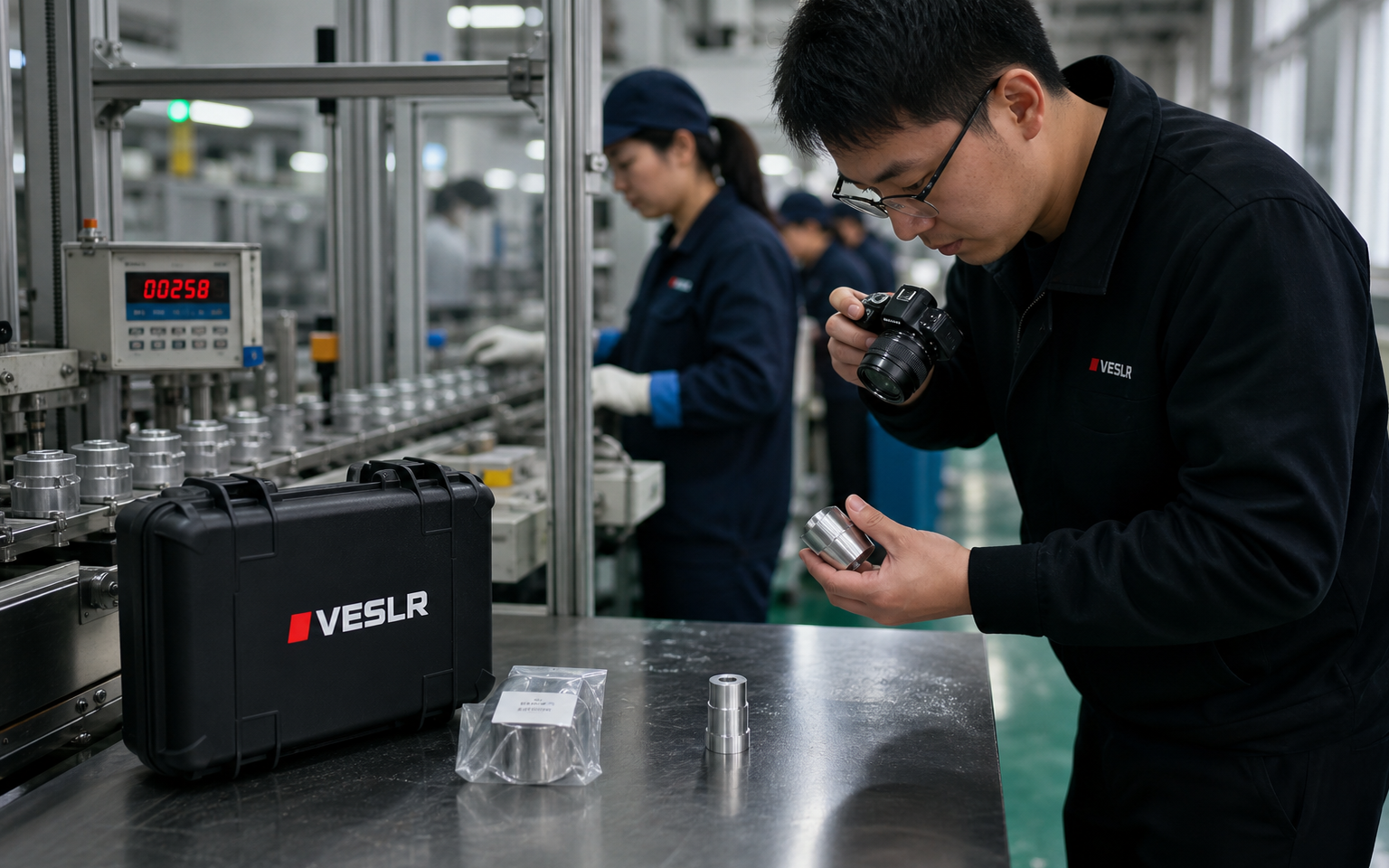
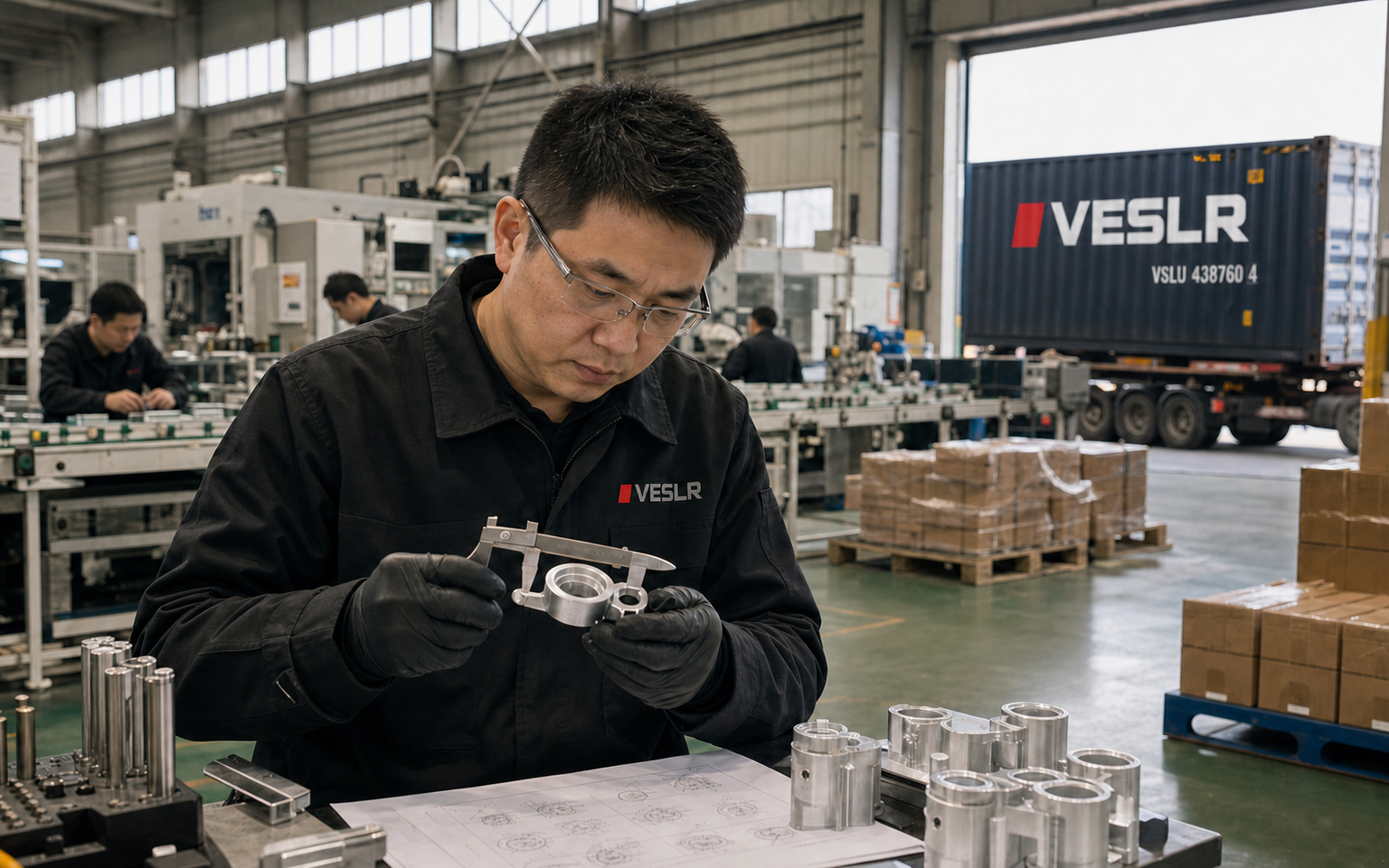
A factory that produces metal parts is not automatically qualified to make your pressure-rated, food-contact or tightly toleranced component. Send a controlled specification and ask technical questions that are difficult to answer with generic sales language: material grade, production method, tolerances, testing, packaging, subcontracted processes and typical failure points. Request a live video walk-through focused on the relevant production line, warehouse and quality-control area, not only a showroom. For meaningful orders, consider an independent factory audit that reviews capacity, quality systems and whether the named facility performs the claimed work. Ask who owns tooling, how changes are approved and how non-conforming goods are handled. Compare stated monthly capacity with lead time and visible equipment. The goal is not to eliminate every sourcing risk. It is to test whether the supplier’s capabilities match the order before your deposit becomes the most persuasive reason to continue.
Turn the sample into a measurable reference
A good-looking sample is useful only when it represents an agreed standard. Label and photograph the approved unit, record materials, dimensions, colour, finish, function, accessories, packaging and any test results. Confirm whether it came from normal production or was handmade for approval. Ask how mass production will be controlled to the same requirements. If safety, electrical, chemical, food-contact or market-specific standards apply, verify certificates with the issuing body or a qualified compliance professional; a PDF alone is not proof that the certificate is genuine, current or applicable to your model. Keep one approved sample if practical and share the specification with the inspection company. First-time importers often rely on phrases such as ‘good quality’ or ‘same as sample.’ Replace them with tolerances and acceptance criteria that an independent person can actually inspect.
Build payment controls around predictable risk points
Use a written purchase agreement that identifies the legal seller, product specification, quantity, price, Incoterm, production milestones, inspection rights, remedies and governing arrangements appropriate to the transaction. Marketplace payment protection can be valuable when used correctly, but read its current conditions, evidence requirements and deadlines. Avoid sending business payments to unrelated personal accounts. Confirm that the beneficiary name and country align with the contracting party or obtain a documented, independently verified explanation. Treat every bank-detail change as a potential fraud event: stop, call a trusted known number and reconfirm through a second channel. Do not let an urgent message override the control. Structure the balance so inspection and required documents can be reviewed before the final release where commercially possible. Payment terms do not create quality, but they determine how much leverage remains when quality or timing changes.
Inspect the finished order before it disappears into the freight chain
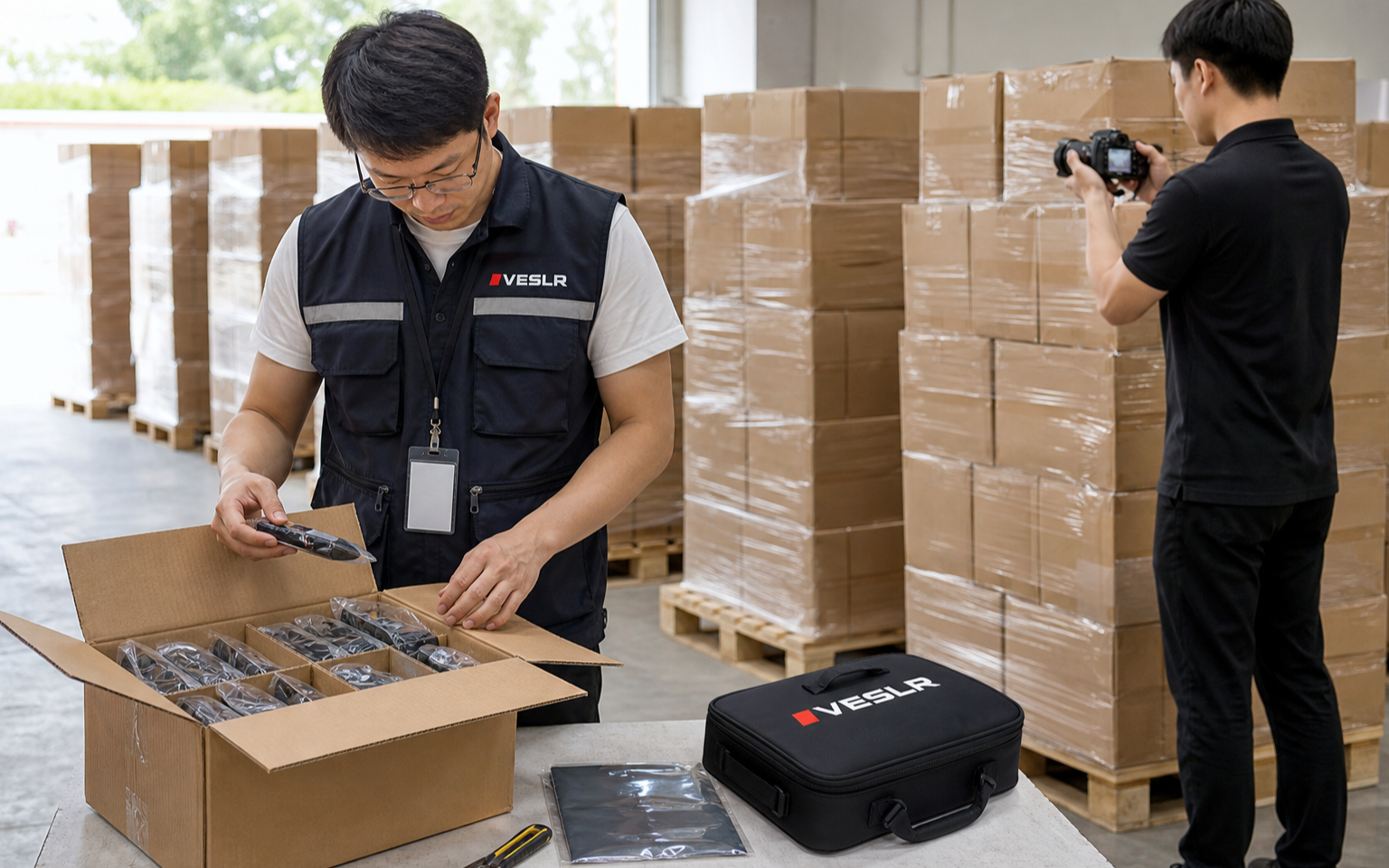
Book inspection early enough that the result can change the outcome. A pre-shipment inspection usually checks random samples from a completed and packed production lot against your approved specification, quantity, workmanship, function, labels and packaging. Define the sampling and acceptance method with the inspection provider; do not ask simply for ‘a quality check.’ Confirm the order is sufficiently complete before the inspector travels, and make clear that you—not the supplier—receive the independent report. Review photographs, defect classifications and failed tests, then decide whether to accept, rework, reinspect or renegotiate. If the goods are loaded into a full container, a loading supervision can add evidence of quantity, container condition, stowage and seal. Inspection reduces information risk; it does not guarantee future performance or replace suitable insurance and contracts.
Respond to warning signals without panic or wishful thinking
One inconsistency may have an ordinary explanation. Several inconsistencies deserve a pause. Warning signals include pressure to pay a new beneficiary, refusal to provide legal identity, copied certificates, a dramatic price gap with no technical explanation, answers that change between sales and production staff, resistance to independent inspection, unexplained subcontracting or shipping documents that do not match the deal. Ask direct questions and request evidence. If the explanation cannot be independently checked, reduce exposure, change the structure or walk away. Do not let sunk time, sample cost or a promised shipping date push you into paying. Supplier verification is not an accusation; professional suppliers are used to commercial due diligence. The strongest long-term relationships are usually the ones where both parties are comfortable making responsibilities visible.
Supplier verification file
- Chinese legal name, licence and registered details checked
- Manufacturer, trader or agent role understood
- Capability tested against the exact product specification
- Approved sample and measurable acceptance criteria retained
- Relevant certificates independently checked where required
- Contract seller, invoice issuer and bank beneficiary reconciled
- Independent inspection booked before final balance
- Bank-detail changes require second-channel verification