The short answer
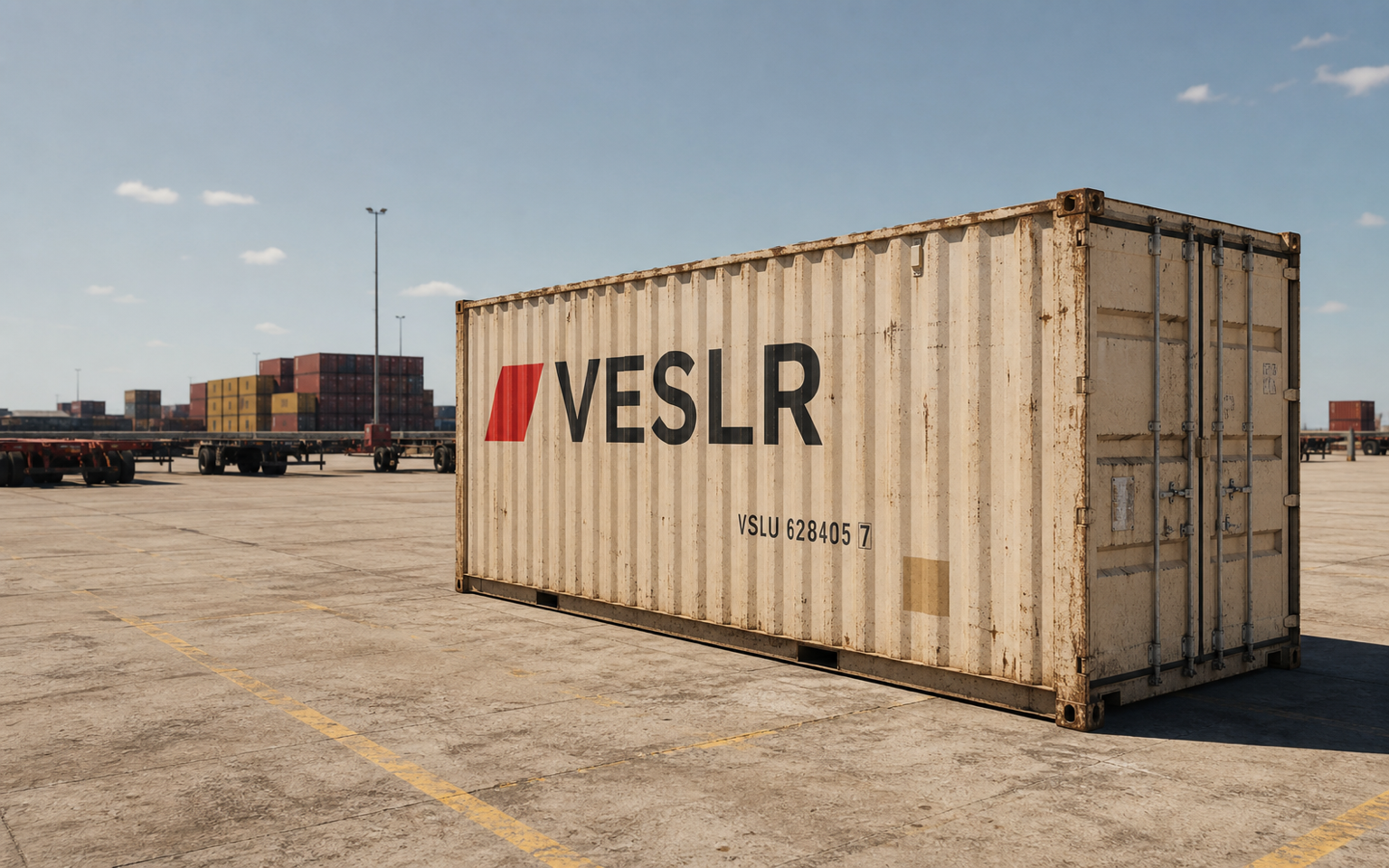
An empty container may be waiting for inspection, repair, repositioning or a new customer. It can incur depot, handling and capital costs even when no lease revenue is being earned.
Off-hire is a sequence, not one status
When a customer returns a unit, it may pass through gate handling, condition inspection, repair authorization, cleaning and availability checks before it can be offered again. A system that labels all of this simply empty hides the real cause of downtime. Track operational status, physical location, commercial availability and billing separately. That makes it possible to see whether the problem is repair speed, depot process, weak demand or a deliberate positioning decision.
Idle units can still generate cost
Depots may charge lift, inspection, storage and repair-related fees. Insurance and administration continue, while capital remains tied to the asset. A unit in a low-demand location may need an empty move before the next lease. The correct response is not always to minimize every day in depot; rushed or poorly controlled repairs can create larger costs later. The goal is useful, safe availability at a location with realistic demand.
Repositioning is a market-balancing decision
Trade flows rarely produce equal container demand in both directions. Empty repositioning moves equipment toward customers but creates no cargo revenue. Operators compare forecast demand, positioning cost, equipment type, timing and the chance of leasing locally. One-way leasing can sometimes turn an imbalance into a commercial movement, but it still needs approved redelivery and a receiving demand plan.
Utilization needs context
A utilization percentage should explain whether it is based on units, days, billing or physical possession. Report the fleet size and the period, then show categories of off-hire time. A strong figure can mask concentration with one customer; a weak quarter can reflect planned repair or relocation. Investors and operators need the causes and next actions, not only a ratio.
Questions behind idle time
- Where is the unit physically located?
- Has inspection been completed?
- What repair or cleaning is pending?
- Is the unit commercially available?
- Is there local demand for that equipment?
- Would repositioning create a better outcome?


