The short answer
Inspect a substantially completed and packed order against a written specification before final payment and freight cut-off. Define the sampling method, critical, major and minor defect criteria, functional tests, quantity, labels and export packaging, then agree what happens when the result is not acceptable.
Inspection quality begins in the purchase specification
An inspector cannot reliably judge ‘premium,’ ‘market standard’ or ‘same as the photo.’ Provide the approved product specification, signed sample or reference images, material and dimensions, performance checks, colour and finish tolerances, accessories, quantity, labels, packaging and any safety or regulatory requirements. Identify defects that would make a unit unsafe, unusable, commercially unacceptable or merely cosmetic. If a test needs specialist equipment or a laboratory, arrange that separately; a general inspector should not simulate expertise they do not have. Translate key instructions where useful and confirm which version controls. Share the purchase order and prior corrective actions without asking the inspector to infer the commercial decision. The work should answer observable questions: does the random sample match the approved specification, how many defects were found and what evidence supports the result? Inspection becomes powerful when buyer, supplier and inspector are evaluating the same written product rather than three different mental pictures.
Book the inspection at a point when the result still matters
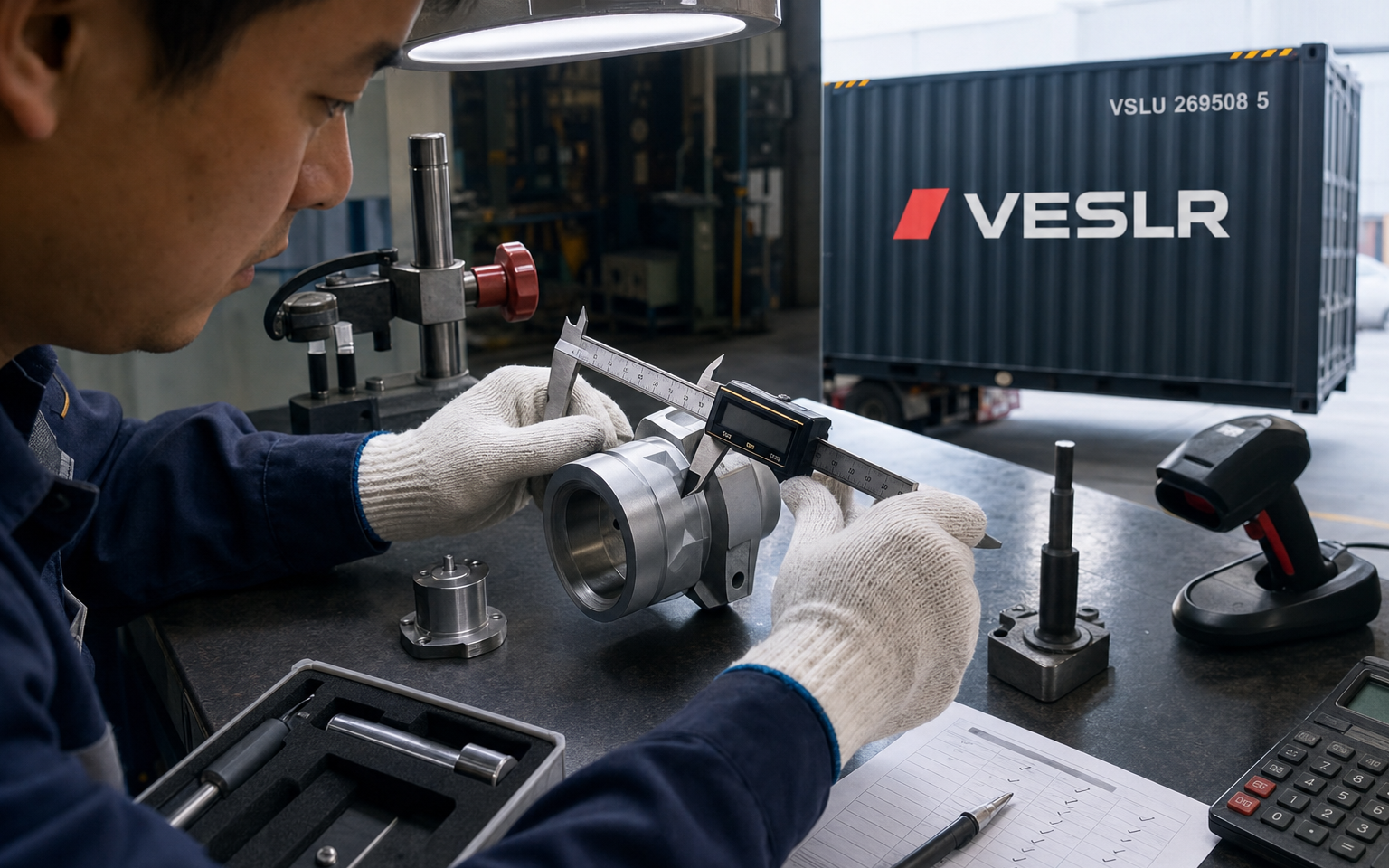
A final random inspection is commonly scheduled when production is substantially complete and enough goods are packed to sample the finished order. If it happens too early, the inspected items may not represent the final lot. If it happens the afternoon before vessel cut-off, there is no room to rework or reinspect. Ask the supplier to confirm actual completion status and allow the inspection company to report whether the stated quantity was available. Tie the booking to a realistic freight timeline and avoid making irreversible balance payment or shipping decisions before reviewing the report where your contract permits. For technically complex or high-value products, earlier controls may be appropriate: pre-production verification of materials, during-production inspection of process and first output, then final inspection. Match the control to the failure you are trying to prevent. More visits are not automatically better; well-timed, properly scoped evidence is better.
Understand sampling and defect limits in plain language
A pre-shipment inspection typically examines a sample selected from the available lot rather than opening every unit. The sampling plan and acceptance criteria should be agreed before the visit. Defects are often grouped as critical, major and minor, with different acceptance limits. Those labels need product-specific definitions: a sharp exposed wire could be critical; a function failure major; a small finish mark minor—depending on the item and market. Sampling provides evidence about the lot but does not prove every unit is perfect. Ask the inspection company to explain the method, lot size, sample size and result. Do not choose a relaxed threshold merely to obtain a pass, and do not set an impossible zero-defect rule without considering how production and inspection work. For essential safety characteristics, specialist full checks or certified testing may be needed. Use a qualified provider to design a proportionate plan.
Check the product and the journey it must survive
The checklist should cover identity, dimensions, workmanship, assembly, function, quantity and accessories. It should also cover consumer and shipping labels, barcodes, warnings, manuals and country-specific marks where relevant. Packaging needs its own tests and observations: carton dimensions and gross weight, inner protection, drop or compression testing where suitable, pallet condition, moisture protection, shipping marks and assortment. Alibaba orders often look perfect in product photos but arrive in cartons not designed for an international consolidation or humid sea journey. Ask for photographs showing the random selection, measurements, functional testing, defects, sealed retail packing and export cartons. Confirm whether cartons can be stacked and how the cargo will be secured. Quality is not only what the item does at the factory bench; it includes whether the correct quantity can survive handling and reach your customer in saleable condition.
Decide the response before you see the result
Define who can approve, reject or conditionally accept the order. A pass may still contain observations worth addressing; a fail does not automatically tell you whether to abandon the goods. Review the defect list, photographs, sample representativeness and any tests the inspector could not perform. Ask the supplier for root cause, affected quantity and a written corrective plan. Options can include sorting, rework, replacement, price adjustment where commercially appropriate, reinspection or cancellation under the contract. Do not accept a supplier’s photograph of three repaired units as proof that an entire lot was corrected. Reinspection should target the original issue and check that the wider order has not changed. Record any deviation you consciously accept. This prevents the accepted exception from quietly becoming the supplier’s standard on the next production run.
Know when loading supervision adds value
A product inspection usually happens before the cargo is loaded. Container-loading supervision focuses on the shipment handoff: container identity and visible condition, package count and marks, loading method, stowage, securing, door closure and seal identifier. It can reduce disputes about shortages or obvious loading damage and create a photographic record, especially for a full-container order. It does not replace product testing and cannot confirm what is inside every sealed carton. Tell the supervisor about weight distribution, fragile zones, stack restrictions and moisture controls. Record the actual ISO 6346 container identification number and the fitted security seal number accurately on the relevant documents. For LCL, ask the consolidation warehouse what receiving and loading evidence is available. Choose loading oversight based on cargo value, sensitivity and prior supplier performance, then keep the record with insurance and transport documents.
Pre-shipment inspection brief
- Current approved specification and sample identified
- Critical, major and minor defect definitions agreed
- Sampling method and functional tests explained
- Production-completion threshold confirmed
- Labels, quantity and export packaging included
- Time held for rework and reinspection
- Pass, fail and conditional-acceptance authority assigned
- Loading supervision considered separately