The short answer
IMO confirmed on 9 January 2026 that mandatory reporting requirements for freight containers lost at sea had entered into force on 1 January under amendments to SOLAS and MARPOL. The ship's master must notify nearby ships, the nearest coastal state and the flag state, which reports to IMO. Shippers and equipment operators support that chain by maintaining accurate container identifiers, contents, dangerous-goods details, verified gross mass and contact records before loading.
The amendments create a defined international reporting chain
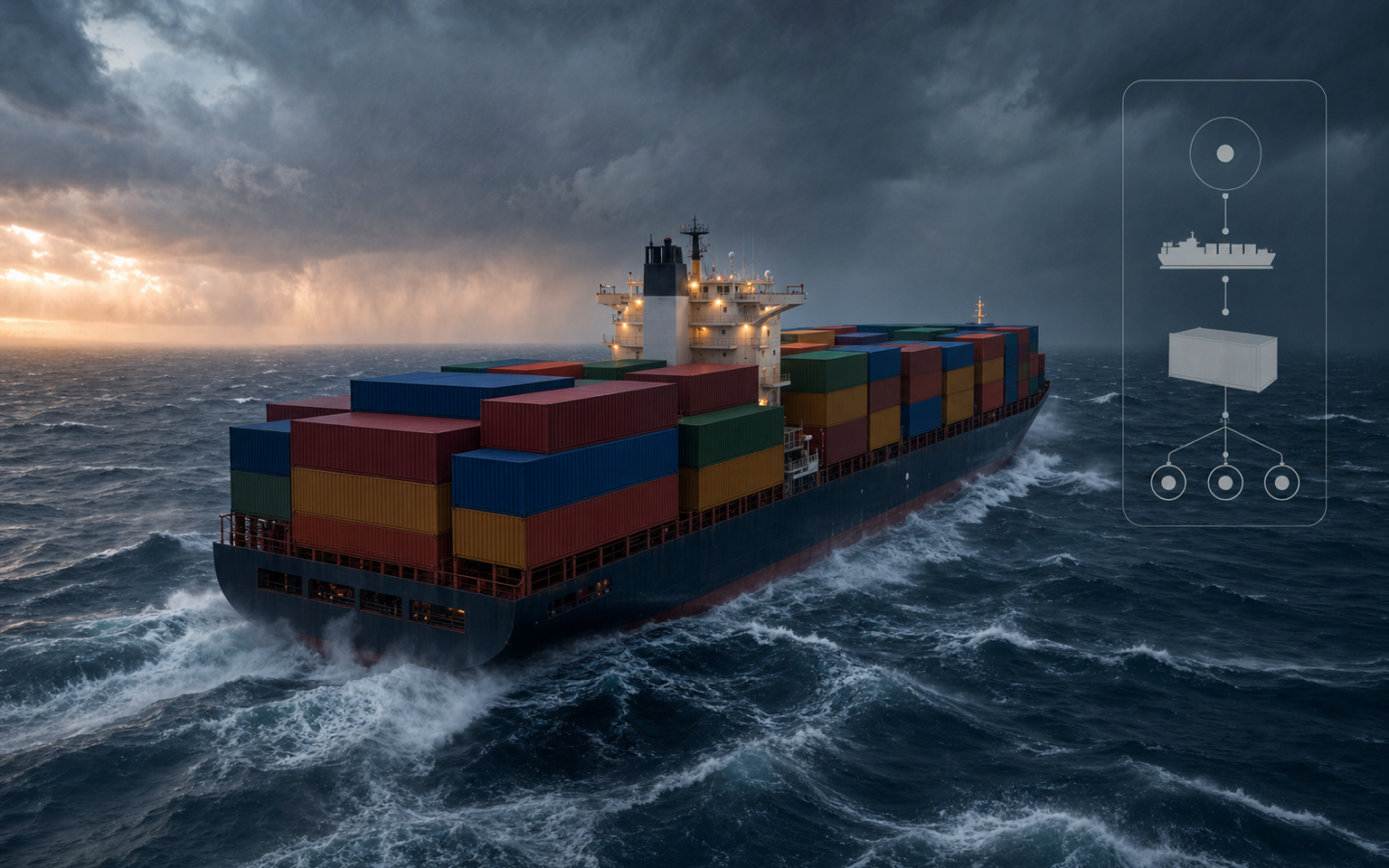
IMO's January 2026 release said amendments to SOLAS chapter V and the MARPOL reporting protocol had entered into force. It explained that the master of a ship involved in the loss of freight containers must communicate incident particulars to ships in the vicinity, the nearest coastal state and the flag state; the flag state then reports to IMO. The required danger-message information includes the position and number of containers lost. That structure serves navigation safety and environmental response. It does not make the shipper the formal sender of the master's report, but the ship can only report accurately if the cargo and equipment records it received are reliable and accessible.
Incident data begins at booking and packing
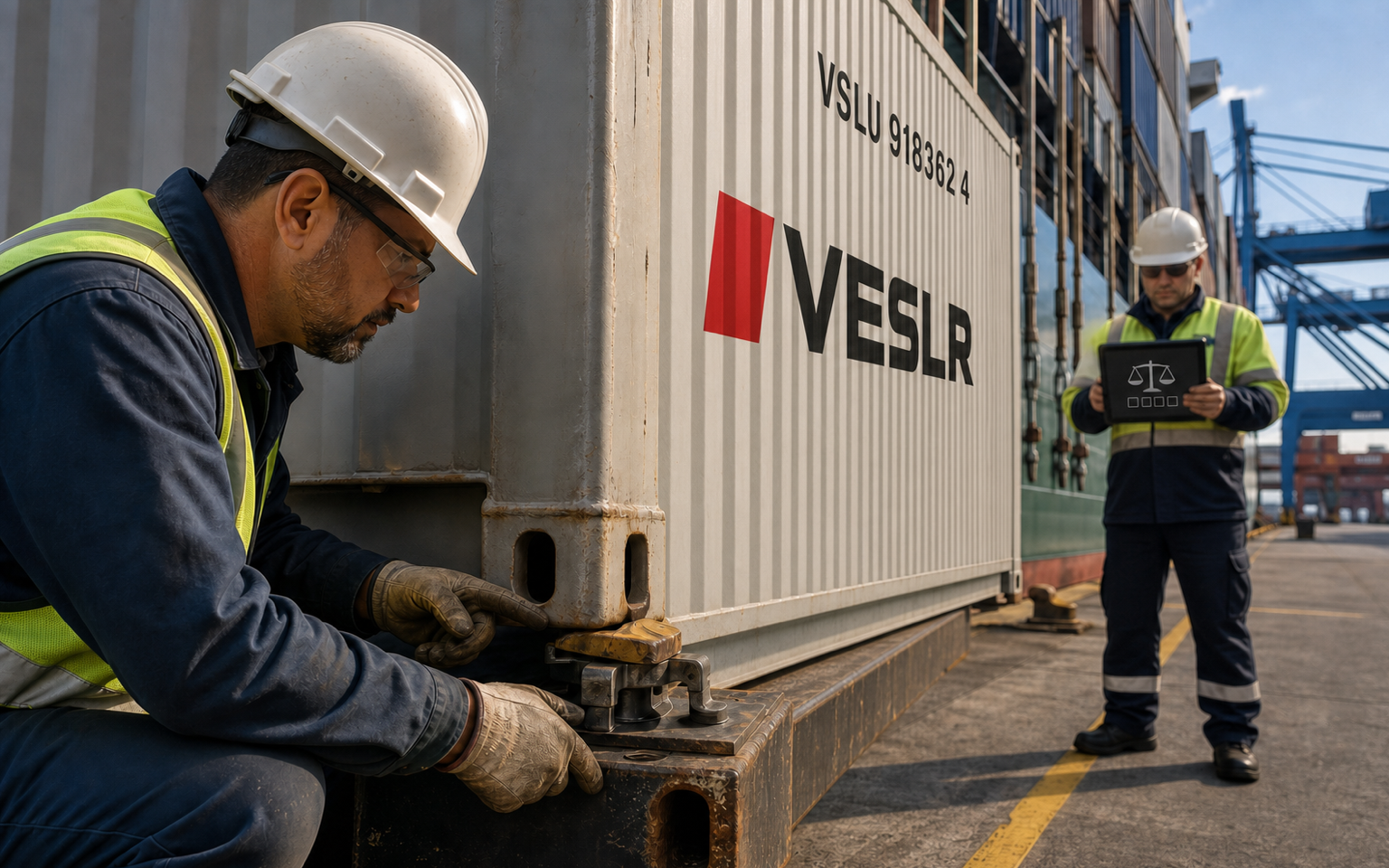
A container record should connect the unit number, seal, booking, shipper, consignee, package count, commodity, verified gross mass and dangerous-goods information where applicable. Those details pass through several systems and can diverge after amendments. Establish one final load record and preserve previous versions. If a container is rolled to another vessel or the physical box changes, update the identity everywhere. Vague cargo descriptions make environmental and emergency assessment harder. Incorrect contact details slow follow-up. A strong incident process therefore begins with ordinary documentation discipline. The moment after a loss is too late to reconcile which unit was actually loaded or whether its declared contents matched the packing.
Reporting complements prevention; it does not replace it
IMO's container-safety work includes verified gross mass, stowage and securing requirements. Accurate weight supports vessel stability and stack planning. The container itself needs sound structural condition and suitable corner castings, doors and floor for the cargo. Packing should distribute weight appropriately, secure cargo against expected forces and follow dangerous-goods rules. The carrier and vessel then manage stowage and lashing. Mandatory reporting improves warning and response when prevention fails, but it should not become the headline control. Shippers should review weighing methods, packing competence and seal records; lessors and depots should preserve inspection and repair evidence. Each party owns a different layer of the same safety system.
Losses are rare in proportion and still material in consequence
The World Shipping Council's 2025 update estimated that 576 containers were lost at sea in 2024 out of approximately 250 million transported. WSC said the total was above the record-low 2023 result but below the ten-year average. Those are industry estimates based on member reporting, not a guarantee for any voyage. The small proportion should not encourage complacency. One drifting container can threaten navigation, while cargo, packaging and pollutants can harm the marine environment. The useful reading is balanced: container shipping moves vast volumes with relatively few reported losses, and continued prevention and complete reporting are justified because the consequence of each incident can be serious.
Prepare an incident file before the vessel sails
For higher-risk or high-value cargo, keep a response file with final transport documents, packing evidence, verified gross mass, product and safety data, photographs, container condition, seal, insurance and emergency contacts. Identify who can speak for the cargo owner outside normal office hours. If notified of a loss, preserve records, follow the carrier and insurer's instructions, and avoid public speculation about cause or contents. Regulators and responders need facts; insurers need timely notice and evidence. The file also helps distinguish cargo loss from delay when tracking data stops. A standard template makes the response faster without assuming an incident will occur.
Leased-container records need a second ownership trail
When the container is leased rather than supplied by the ocean carrier, the cargo movement and equipment contract overlap. The lessee should notify the lessor according to the lease and insurance terms, preserve the interchange and condition records and identify any continuing hire or loss provisions. Do not assume a cargo policy covers the box or that equipment insurance covers the goods. The lessor's asset number, the ISO container identification and the booking record should agree. Finance teams should know whether hire continues while a loss is investigated, which evidence starts the claim and who controls any recovered equipment. Operations should keep the last interchange and repair status available rather than leaving the asset history inside a depot portal that incident responders cannot access. If recovery, survey or constructive total-loss decisions follow, clear ownership evidence reduces dispute. The new reporting rules focus on maritime safety reporting; commercial notification duties still sit in the relevant carriage, lease and insurance contracts.
Lost-container readiness file
- Reconcile the final container number, seal, booking and vessel record
- Retain accurate contents, package, weight and dangerous-goods data
- Keep packing, securing, condition and interchange evidence
- List carrier, shipper, consignee, insurer and lessor contacts
- Define out-of-hours ownership for an incident notification
- Review cargo and leased-equipment notice duties separately