The short answer
LCL shares container space and suits smaller consignments; FCL dedicates a container and can reduce handling. Compare total cost, schedule, cargo sensitivity, customs and delivery—not cubic metres alone.
LCL: pay for space, accept consolidation
LCL cargo moves through consolidation and deconsolidation facilities with other shipments. It can be efficient when a consignment does not justify a full container. Charges may use weight or volume and include warehouse handling at both ends. The additional touches and cut-offs can add time. Packaging should withstand shared-container handling and stacking conditions, and marks must remain clear throughout the process.
FCL: control the container loading unit
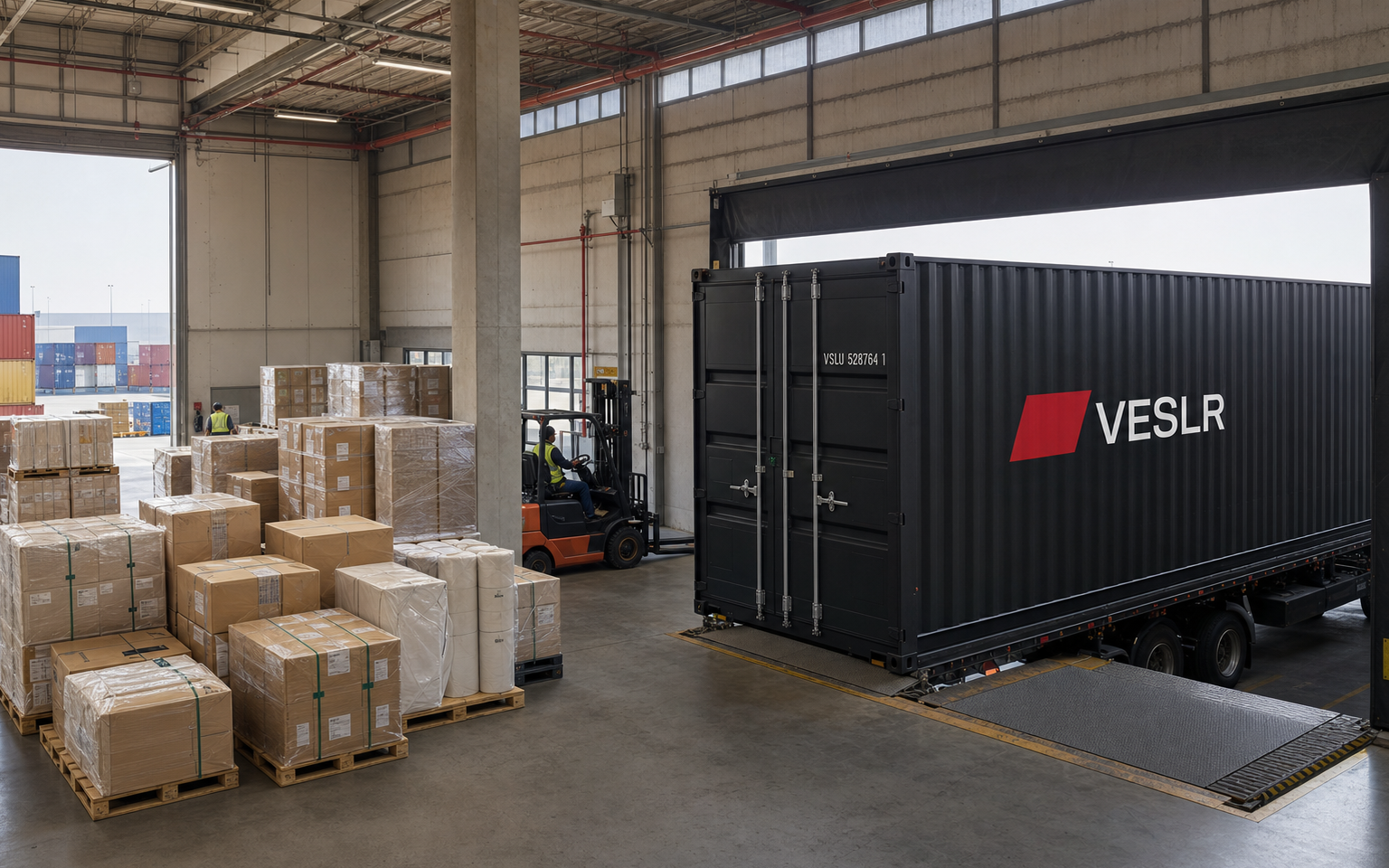
With FCL, the shipment uses a dedicated container, although carrier and terminal processes still apply. It can support simpler loading, fewer cargo touches and stronger seal control. The shipper must load and secure the unit appropriately, and local trucking, container free time and empty return become important. A partially filled container may still be the better option for fragile, high-value or time-sensitive goods.
Compare the full door-to-door cost
LCL may have a low ocean component but several origin and destination handling lines. FCL has container trucking and equipment-related charges. Ask for both options on the same service scope and cargo assumptions. Include packing, pickup, customs, destination handling, delivery and potential waiting costs. The crossover varies by corridor, commodity and market conditions; there is no universal cubic-metre rule.
Let cargo sensitivity influence the choice
Consider whether the cargo can share space, tolerate warehouse handling or wait for consolidation. Liquids, odors, dangerous goods, awkward packages and high-value products may face restrictions or need stronger separation. Customs examination of one consolidated shipment can sometimes affect others. FCL reduces some shared-handling exposure but does not remove the need for proper packaging, declarations and insurance.
LCL–FCL decision
- Packed volume and chargeable weight
- Total origin and destination charges
- Cargo sensitivity and compatibility
- Handling and consolidation time
- Loading and unloading capability
- Seal, customs and delivery requirements


