The short answer
LCL is often practical for smaller shipments that do not justify a full container. FCL becomes attractive as volume grows, when destination LCL charges narrow the cost gap, or when less shared handling and greater schedule control matter. Compare complete landed scenarios using final packed measurements—not rules of thumb alone.
Understand what you are actually buying
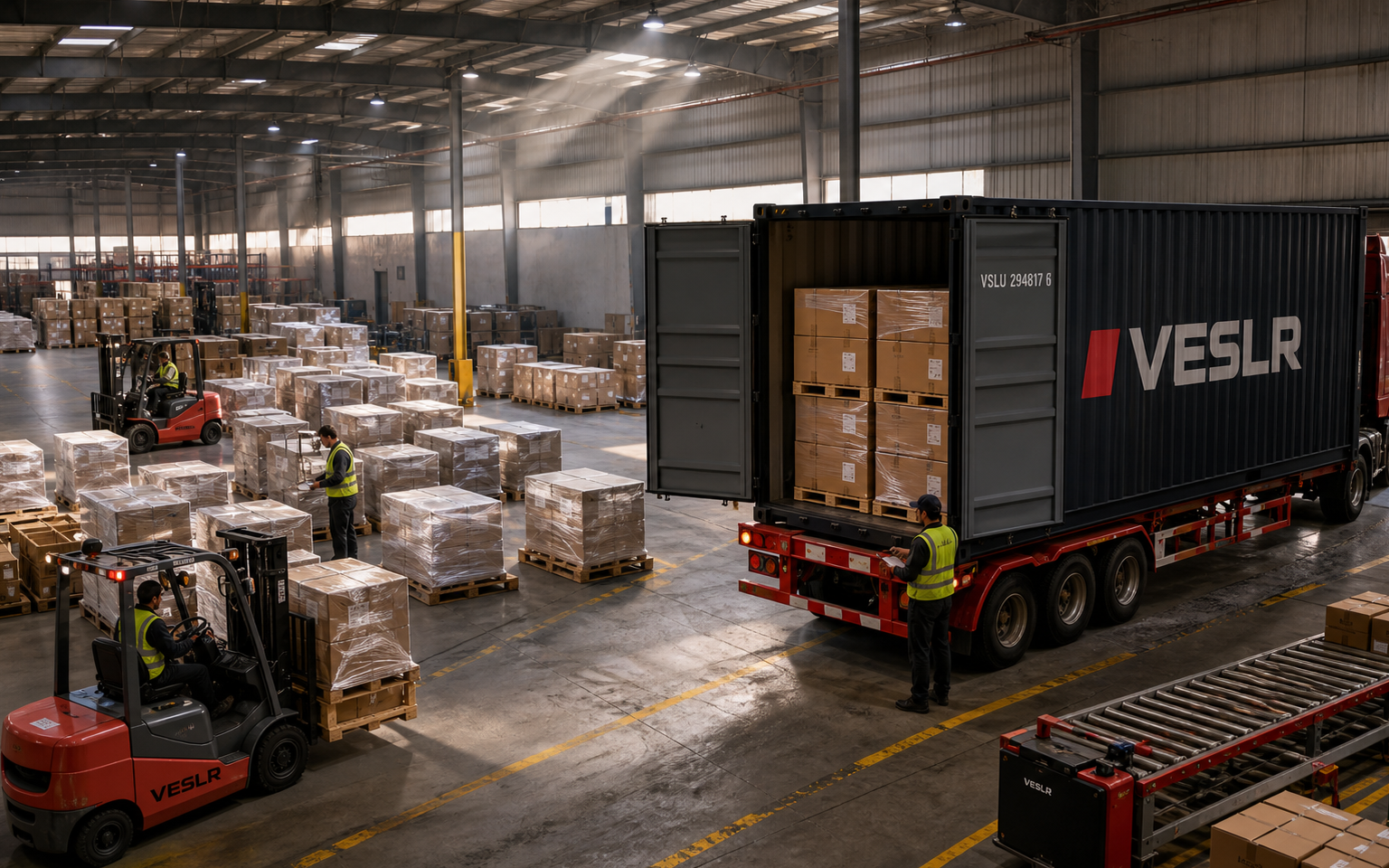
With less-than-container load, your cartons or pallets are consolidated with cargo from other shippers, moved in a shared container and separated at destination. You pay for a measured share of the space, usually subject to minimums and chargeable-volume rules. With full-container load, the container is assigned to your shipment, although ‘full’ describes the service rather than a requirement to fill every cubic metre. Your supplier or nominated warehouse loads the unit, it travels under one container movement and it is delivered or unpacked according to the destination plan. Neither option is automatically faster, safer or cheaper in every lane. LCL involves more cargo-level handoffs. FCL involves container pickup, loading, free time, delivery and empty return. For a first Alibaba order, start with the finished packing data and map the real physical journey for both choices. The difference is operational before it is financial.
Use packed volume and weight, not the listing estimate
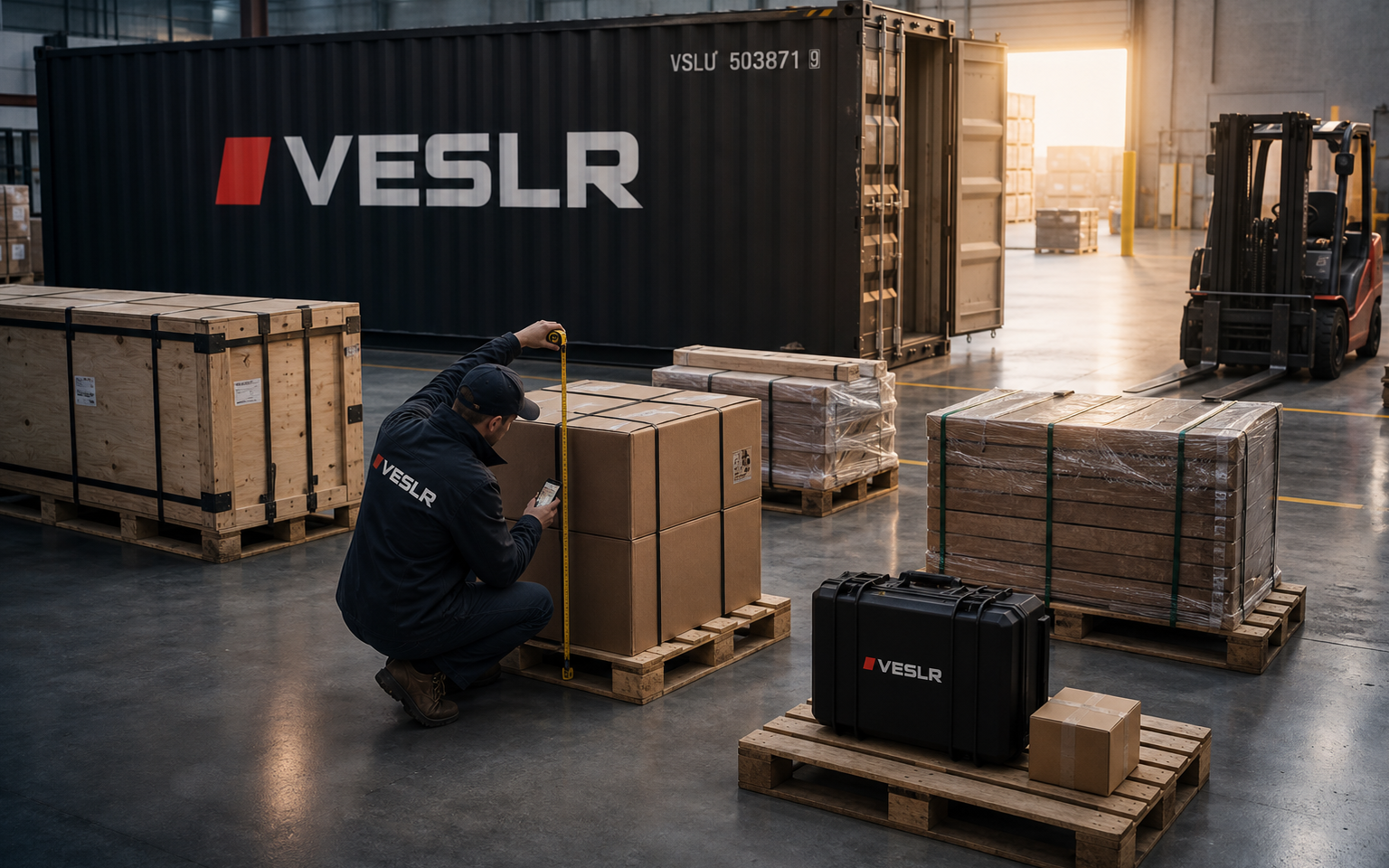
Ask the supplier for carton count, external carton dimensions, gross weight per carton, pallet dimensions and photographs of the final packing pattern. Calculate cubic volume, but expect the consolidator to verify it. LCL charges often use weight or measurement rules, which means dense cargo can be charged by weight and light bulky cargo by volume. Oversized, fragile, stack-restricted or hazardous items may attract different handling or may not suit a standard consolidation service. For FCL, check payload limits, internal dimensions, door opening, weight distribution and road constraints. A 20ft container may suit dense goods; a 40ft high cube may suit lighter, voluminous cargo. Do not ask the supplier merely whether everything ‘fits in a 20GP.’ Request a loading plan that accounts for pallets, securing, ventilation and unloading. Reliable measurements are the foundation of a useful comparison and prevent the booking from changing after production is complete.
Compare every cost on both sides of the ocean
An LCL ocean-freight line can look remarkably low while origin receiving, consolidation, documentation, destination deconsolidation, handling, customs support and final delivery make up a larger share of the total. FCL has its own origin, terminal, documentation, delivery and container-related charges, plus possible demurrage or detention if the box is not collected and returned in time. Ask the forwarder to quote both options using the same pickup and delivery points, cargo details, Incoterm and cargo-ready date. Separate fixed, estimated and event-driven charges. Add duty and tax consistently; they usually depend on customs value and product classification rather than whether the shipment is LCL or FCL, though local treatment must be confirmed. The crossover point is lane-specific. A cubic-metre rule from an online forum cannot account for current rates, destination fees, density, handling or your actual route to Doha, Mumbai, Dubai or another delivery point.
Let the product influence the handling decision
LCL cargo is received, measured, consolidated, unloaded and released at cargo level. Good export packaging is essential because your goods may sit beside heavy or differently shaped freight and pass through several facilities. Use sturdy cartons, appropriate pallets or crates, moisture protection, clear shipping marks and internal cushioning. Ask whether the cargo can be stacked and state restrictions honestly. FCL generally reduces intermediate handling of individual packages between loading and destination unpacking, but cargo can still shift, sweat, crush or become damaged if the container is poorly packed. Inspect the unit, distribute weight, use suitable securing and consider moisture conditions. High-value, fragile, contamination-sensitive or theft-sensitive goods may justify FCL earlier than volume alone suggests. Conversely, a well-packed modest order may move efficiently by LCL. ‘Fewer touches’ is a factor to price and manage, not a guarantee of undamaged delivery.
Compare timing as a range, not a promise
LCL timing includes the consolidation cycle at origin and deconsolidation and release at destination. The shipment may wait for a scheduled consol and depend on other cargo being ready. FCL can move more directly once the container is loaded and gated in, but equipment availability, supplier loading, vessel cut-offs and destination delivery can still change the schedule. Ask for the planned sailing, cut-offs, routing, transshipment, estimated port-to-port transit and realistic door-to-door range for each option. Also ask how often the service runs. A weekly direct consolidation may beat a cheap but infrequent routing. If stockout cost matters, compare a split plan: urgent units by air and replenishment by ocean. First-time importers should avoid promising customers based solely on a carrier estimate. Add time for inspection, origin work, customs and final delivery, then communicate a reasonable window rather than a single perfect date.
Make the choice with a scenario sheet
Create one row for LCL and one for 20ft or 40ft FCL as relevant. Record cargo volume and weight, total quoted logistics cost, planned departure, estimated arrival range, number of cargo-handling points, packaging requirement, destination process and cash exposure if delayed. Include whether you can receive a full container at your site and unload within the available time. Then ask what changes if production volume grows or shrinks by twenty percent. LCL often wins for a genuinely small first order; FCL often gains as volume increases or handling sensitivity rises. Sometimes the best commercial decision is to keep the first order smaller by LCL, validate demand and scale later. The purpose of the sheet is not to discover a universal threshold. It is to make the trade-off visible enough that you can explain and repeat the decision.
LCL versus FCL comparison inputs
- Final packed cartons, pallets, volume and gross weight
- Stackability, fragility and special handling declared
- Same origin, destination, Incoterm and ready date quoted
- Origin and destination local charges included
- Transit range and service frequency compared
- Container unloading and empty-return capability checked
- Demurrage, detention or warehouse exposure understood
- Total landed scenario recorded before booking