The short answer
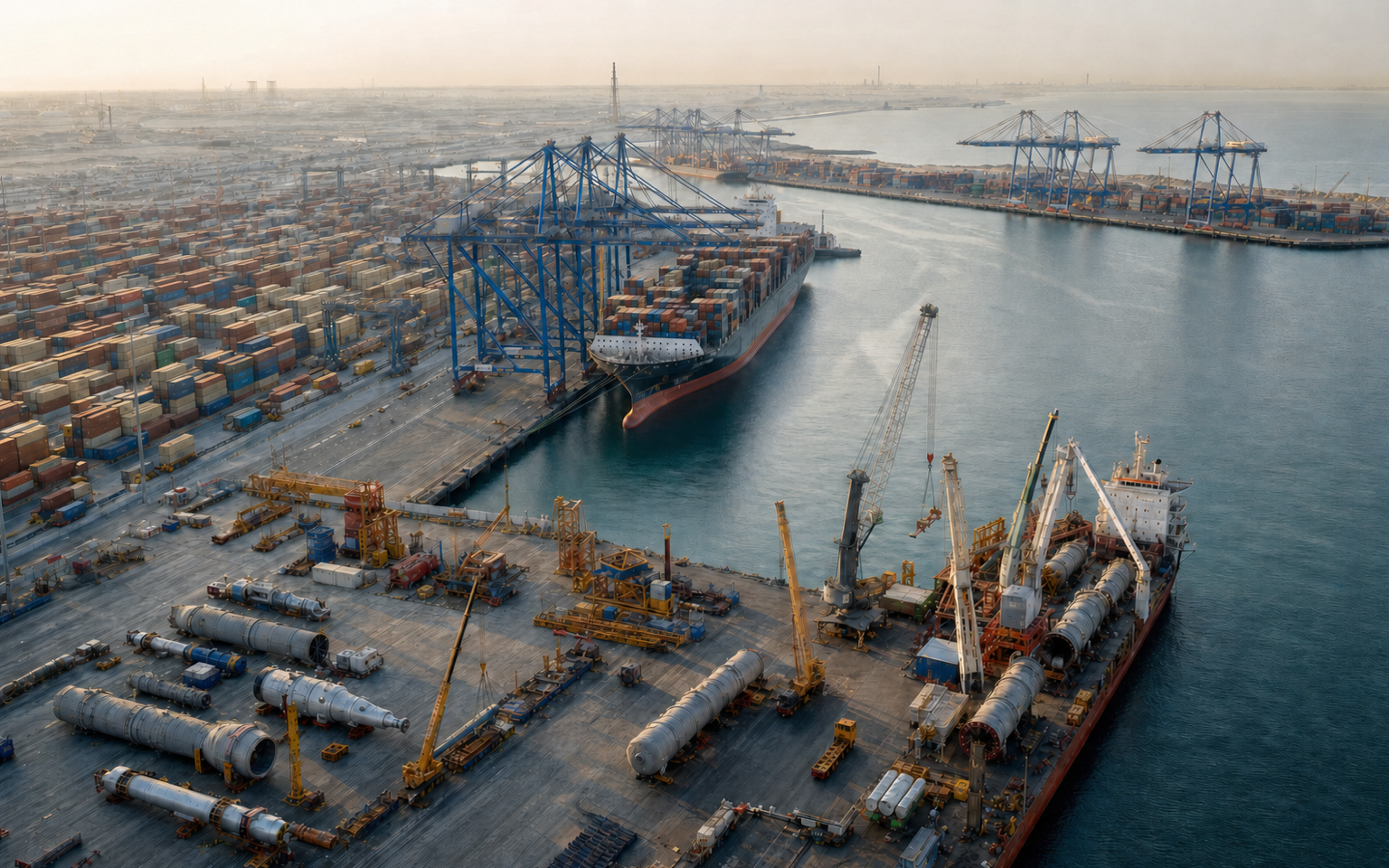
DP World reported on 19 February 2025 that Jebel Ali handled 15.5 million TEU in 2024, one million more than in 2023 and its highest annual container volume since 2015. It also reported 5.4 million metric tonnes of breakbulk. The operating lesson is not to assume every Gulf lane will keep growing at that rate, but to prepare for stronger peaks, mixed cargo demand and tighter coordination between port, free-zone, trucking and equipment capacity.
The result shows scale across more than one cargo market
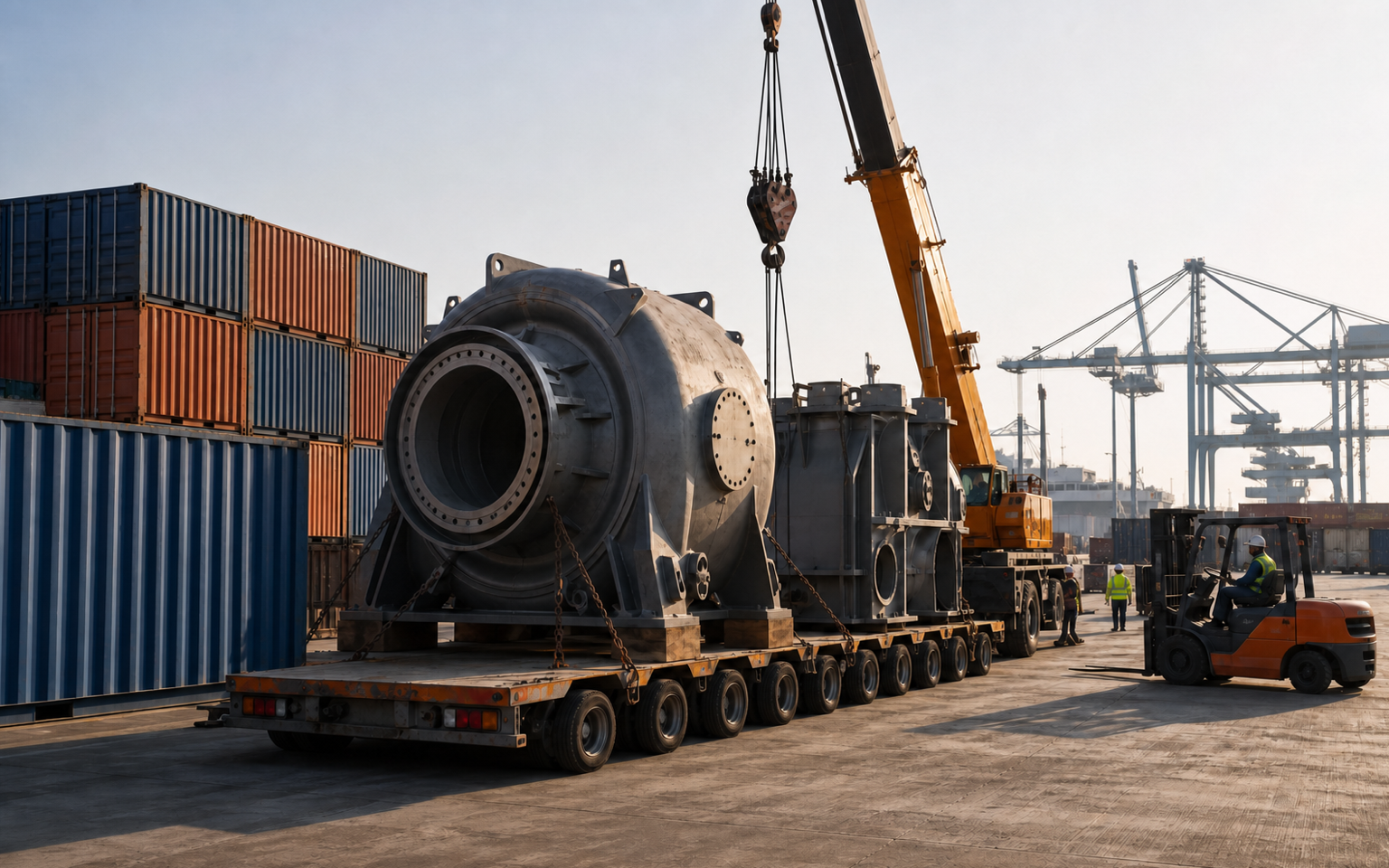
DP World's release separates two important signals. Container throughput reached 15.5 million TEU in 2024, while breakbulk rose to 5.4 million metric tonnes. The company attributed container performance to local and regional demand, particularly flows linked with Asia and the Indian Subcontinent, along with new shipping services and port operations. It connected breakbulk growth with infrastructure, renewable-energy and industrial projects. Those explanations are the port operator's assessment, not a neutral forecast for every trade. Still, the combination is commercially meaningful. Gulf logistics demand is not one homogeneous stream. Consumer and industrial containers, heavy machinery, steel and project components place different demands on vessel space, terminal areas, equipment, permits and delivery sites. Planning needs to preserve those distinctions.
Throughput and capacity answer different questions
DP World says Jebel Ali has annual container capacity of 19.4 million TEU across four terminals. Comparing that figure mechanically with annual throughput would miss how ports operate. Capacity is not a single empty bucket available evenly on every day, berth and service. A seasonal import peak, delayed vessel window or yard imbalance can produce local pressure even when annual design capacity remains. Shippers should therefore ask about their own booking week, terminal, service and delivery pattern. Secure documents and truck appointments early, and avoid using a healthy annual capacity margin as evidence that any last-minute move will be easy. The port's scale provides options; disciplined timing is how a customer accesses them.
Asia–Gulf demand makes origin discipline more important
DP World specifically pointed to demand from Asia and the Indian Subcontinent. For Gulf buyers, that makes supplier-side readiness part of the regional capacity story. Late final dimensions can change an LCL plan into an FCL requirement. A missed inspection can lose the intended sailing. Inconsistent shipping instructions can create amendments when the box is already moving. Strong destination throughput cannot recover time lost before origin cut-off. Build the shipment from a confirmed cargo-ready address, package count, gross weight, equipment type and Incoterm with named place. If several suppliers are consolidated, one coordinator should control warehouse receipts, exceptions and the final load plan. The more active a corridor becomes, the more valuable clean booking data and realistic cut-off management become.
Volume growth changes the equipment conversation
More cargo does not automatically create a shortage of every container type. It can, however, change pickup patterns, dwell time and the balance between locations. Standard dry boxes, reefers and special equipment respond to different demand. Project-related cargo may require open tops, flatracks, roll trailers or conventional breakbulk handling rather than a standard container. A lease or freight request should specify location and date, not merely equipment type and country. Confirm who positions the empty unit, where it may be redelivered and what condition or cleaning standard applies. During high-volume periods, those operating terms can matter more than a small difference in daily lease rate. Equipment is useful when it is at the right depot and can complete the intended journey.
A large hub can support alternatives without eliminating concentration risk
Jebel Ali's scale and free-zone ecosystem make it an important regional node. Businesses can use that depth for consolidation, inventory, project staging and connections to other Gulf markets. They should also recognize concentration. If too much of a supply plan depends on one service, terminal window, border process or warehouse, a disruption at that point can affect the whole programme. Resilience does not always mean abandoning the main hub. It can mean qualifying a second sailing, holding a sensible reorder buffer, splitting urgent and non-urgent cargo or pre-agreeing an alternate delivery sequence. The release supports confidence in Jebel Ali's role; it does not remove the need to design a fallback appropriate to the cargo.
Use the result as a planning signal, not a rate prediction
Annual volume growth can coexist with volatile spot rates, changing vessel deployment and uneven space by trade. DP World's announcement reports what moved in 2024; it does not promise that freight prices, transit times or 2025 demand will follow the same direction. Procurement teams should keep volume evidence separate from a rate view. Ask carriers and forwarders how long the offer is valid, which surcharges can change and what equipment and sailing are actually confirmed. For internal budgets, use scenarios rather than one extrapolated number. The sound conclusion from Jebel Ali's result is that Gulf cargo activity remained substantial through a difficult operating year. That justifies earlier operational planning, not speculative certainty about the next market cycle.
Plan a Gulf shipment around active hub conditions
- Verify the exact Jebel Ali terminal, service and cargo cut-off
- Separate container, breakbulk and special-equipment requirements
- Confirm origin cargo data before reserving space
- Book trucking and receiving capacity around the live arrival window
- Check empty-container return or leased-unit redelivery terms
- Model a second routing or delivery sequence for critical cargo