The short answer
Before you pay the balance on a first Alibaba order, confirm the exact product and supplier, packed dimensions and weight, Incoterm, inspection plan, required documents, freight scope and destination costs. A one-page shipment brief gives every party the same facts and makes hidden gaps easier to spot.
Pause between choosing the product and paying the balance
Alibaba makes finding products feel fast; international shipping runs on slower, more exact information. A listing can help you compare suppliers, but it is not a transport plan. Before paying a deposit, confirm the legal supplier name, factory or trading-company role, product specification, quantity, production lead time and payment milestones in writing. Before paying the balance, ask for the final packing list, carton count, packed dimensions, gross weight and cargo-ready address. Those details affect whether the order moves as courier, air freight, less-than-container load or a full container. They also affect the quote much more than the attractive unit price on the listing. Keep decisions in a shared purchase file rather than scattered across chat messages. When a supplier changes the packing, quantity or ready date, update the forwarder immediately. That small habit prevents a quote based on ten cubic metres from colliding with a finished order that occupies fourteen.
Write a one-page shipment brief
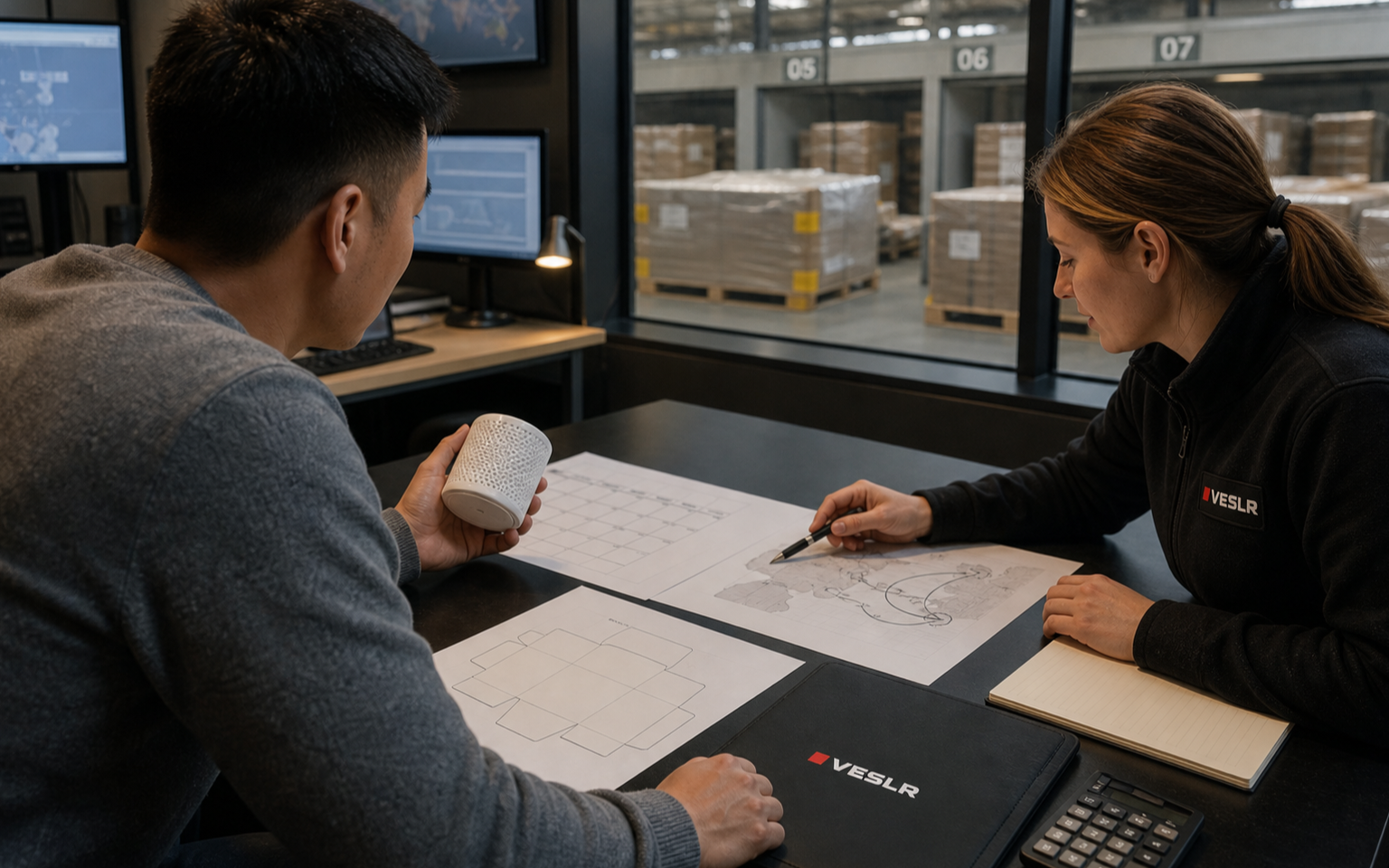
Your shipment brief does not need logistics jargon. Record what you are buying, the HS code if responsibly confirmed, units and cartons, packed volume and weight, cargo-ready date, collection address, destination address and any handling needs. Add the agreed Incoterm with its named place—for example, FOB Shanghai is more useful than FOB China. State who will inspect the goods, who books freight, who handles export formalities, who arranges import clearance and who delivers to the final site. Include whether the cargo contains batteries, liquids, magnets, wood packaging, food-contact materials or anything regulated. Send the same brief to the supplier and forwarder, then ask each to mark assumptions or missing facts. First-time importers often pay twice for uncertainty: once through padded pricing and again through last-minute changes. A clear brief lets service providers quote the same job and gives you a practical record if responsibilities later become blurred.
Choose the shipping scope you can actually manage
You do not have to coordinate every handoff yourself to be a serious importer. Under EXW, the buyer may control collection from the supplier and most of the journey. Under FOB, the supplier typically takes the cargo through agreed origin obligations to the named port, while the buyer manages the main freight and destination side. DDP can sound easiest because the seller quotes delivery, but the importer still needs to understand who is acting as importer of record, what duties and taxes are included, whether declarations are correct and what happens if customs asks questions. The right choice depends on your capability, not on which three-letter term looks cheapest. A first shipment often benefits from a forwarder who can explain origin, freight and destination costs as separate lines. Ask for included, excluded, estimated and event-driven charges. That structure is much more valuable than a single number that cannot be reconciled later.
Protect the product before it leaves China
Freight insurance cannot make the wrong product right. Agree measurable quality standards before production: material, dimensions, colour tolerance, performance, packaging, labels, quantity and acceptable defect levels. Decide whether you need a pre-production check, during-production inspection or pre-shipment inspection. For many first orders, an independent final inspection before balance payment is the most practical control point. The inspector should work from your approved specification, not from the supplier’s general catalogue. Packaging deserves the same attention. Ask for carton strength, internal protection, pallet dimensions, moisture protection and shipping marks appropriate to the route. If the cargo is fragile or high value, request photographs of packed units and container loading. Confirm that inspection timing leaves room to correct problems before the booked sailing. A rushed inspection conducted after the freight deadline has passed creates pressure to accept defects or pay avoidable rebooking costs.
Plan the arrival while the goods are still being made
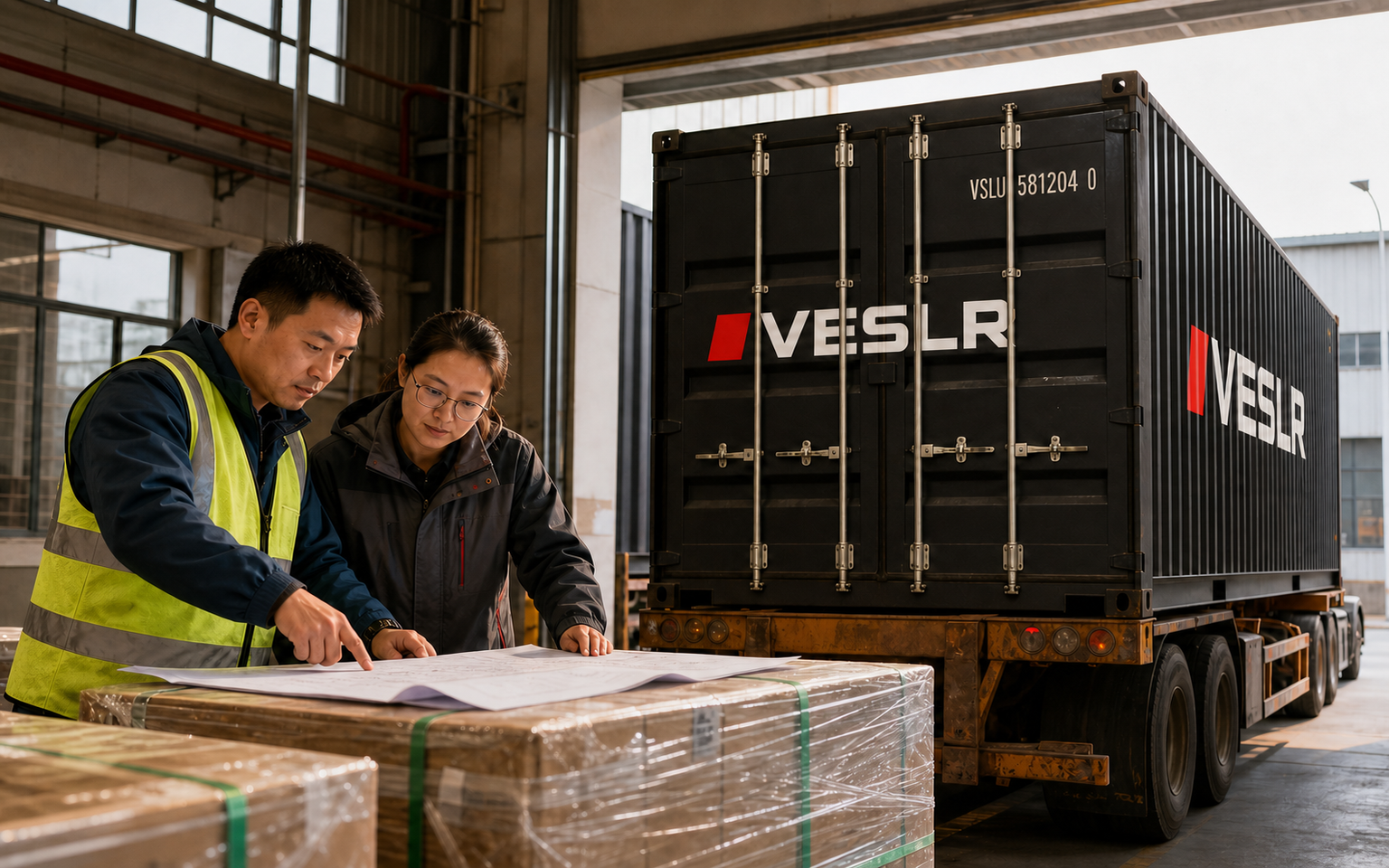
Destination work should begin before the vessel departs. Confirm the importer details, product classification, permits or conformity requirements, commercial invoice, packing list, origin documents and any commodity-specific certificates with a qualified customs professional in the destination market. In Qatar, India and other Middle East markets, requirements can vary by product and can change, so use current official guidance rather than a supplier’s memory of a previous shipment. Ask the forwarder for the estimated arrival process, free time, document deadlines, customs coordination and delivery requirements. Check whether the delivery site can receive a truck or container and whether labour, forklift, dock or crane access is needed. Budget for duties, taxes and legitimate local charges separately from freight. The goal is not to predict every exception. It is to avoid discovering the ordinary parts of importing only after storage or delay charges have started.
Run the first shipment as a learning project
Build a simple timeline from purchase order to final delivery. Put a name beside production updates, inspection booking, freight booking, document review, balance payment, vessel departure, customs preparation and delivery. Ask for milestone updates rather than checking the tracking page every hour. When something changes, focus on the next decision: does the inspection move, does the booking need revision, or does the destination team need a new arrival estimate? Keep copies of quotations, invoices, inspection results, shipping documents, customs records and final costs. After delivery, compare estimated and actual landed cost, note where information arrived late and update the brief for the next order. Your first import does not need to be perfect to be valuable. It needs to be controlled well enough that the second shipment is easier, faster to quote and less dependent on guesswork.
First Alibaba order: pre-payment shipping check
- Verified supplier identity and written product specification
- Final packed carton count, dimensions, volume and gross weight
- Incoterm and named place recorded in the purchase order
- Independent inspection scope and timing agreed
- Freight quote separates origin, main freight and destination scope
- Import requirements checked with current official or qualified local guidance
- Documents, insurance and final-delivery responsibilities assigned
- Contingency cash and time held for reasonable first-shipment variation