The short answer
Triton's annual filing published on 28 February 2025 said longer voyage times and supply-chain inefficiencies supported strong container demand in the first half of 2024. It reported ending fleet utilization of 99.1%, up from 96.5% a year earlier, and estimated that lessors owned about 48% of the worldwide container fleet. For operators, the lesson is that box demand reflects cycle time and location as well as cargo volume.
The filing offers a lessor's view of the equipment cycle
Triton International described itself as the world's largest intermodal-container lessor and reported a fleet representing 7.0 million TEU at the end of 2024. Its annual filing said demand strengthened during the first half as longer routes and supply-chain inefficiencies kept equipment in use for longer, alongside increased cargo shipments. Pickup activity later moderated, but uncertainty continued to support tight demand. These statements describe Triton's experience and management assessment; they are not a complete market index. They are valuable because they show the mechanism. A box generates availability only after its loaded trip, customer use, empty return, inspection and any repair are complete. Change the time or location of those steps and demand for another unit can rise without a matching increase in cargo.
High utilization is strength for a lessor and friction for a late buyer
Triton reported average utilization of 98.6% for 2024 and 99.1% at year-end, using its CEU-based measure and excluding certain units. For the owner, high utilization means a large share of the eligible fleet is earning lease revenue. For a customer, it can mean fewer idle units available at the preferred depot. The two perspectives are not contradictory. A procurement team should avoid turning a global utilization number into a promise of scarcity or abundance. Ask for the specific container type, pickup city, date, quantity and lease structure. Request an alternate depot and positioning cost if the first location cannot supply. Local availability is the commercial fact; portfolio utilization provides the market context.
Leasing is a structural part of the container system
Triton estimated that container lessors owned about 26.5 million TEU, or roughly 48% of the worldwide container fleet, at the end of 2024. That estimate indicates why lease markets matter beyond specialist finance. Leasing helps carriers and other users add equipment without purchasing every box, respond to route changes and access different locations. The trade-off is a contract with daily hire, pickup and redelivery conditions, damage responsibility and off-hire rules. Cargo owners considering their own leased equipment should first establish who will control the box throughout the movement. A unit that cannot be accepted by the carrier, cleared, unloaded or redelivered at the intended point creates cost instead of flexibility.
TEU totals hide the economics of the fleet mix
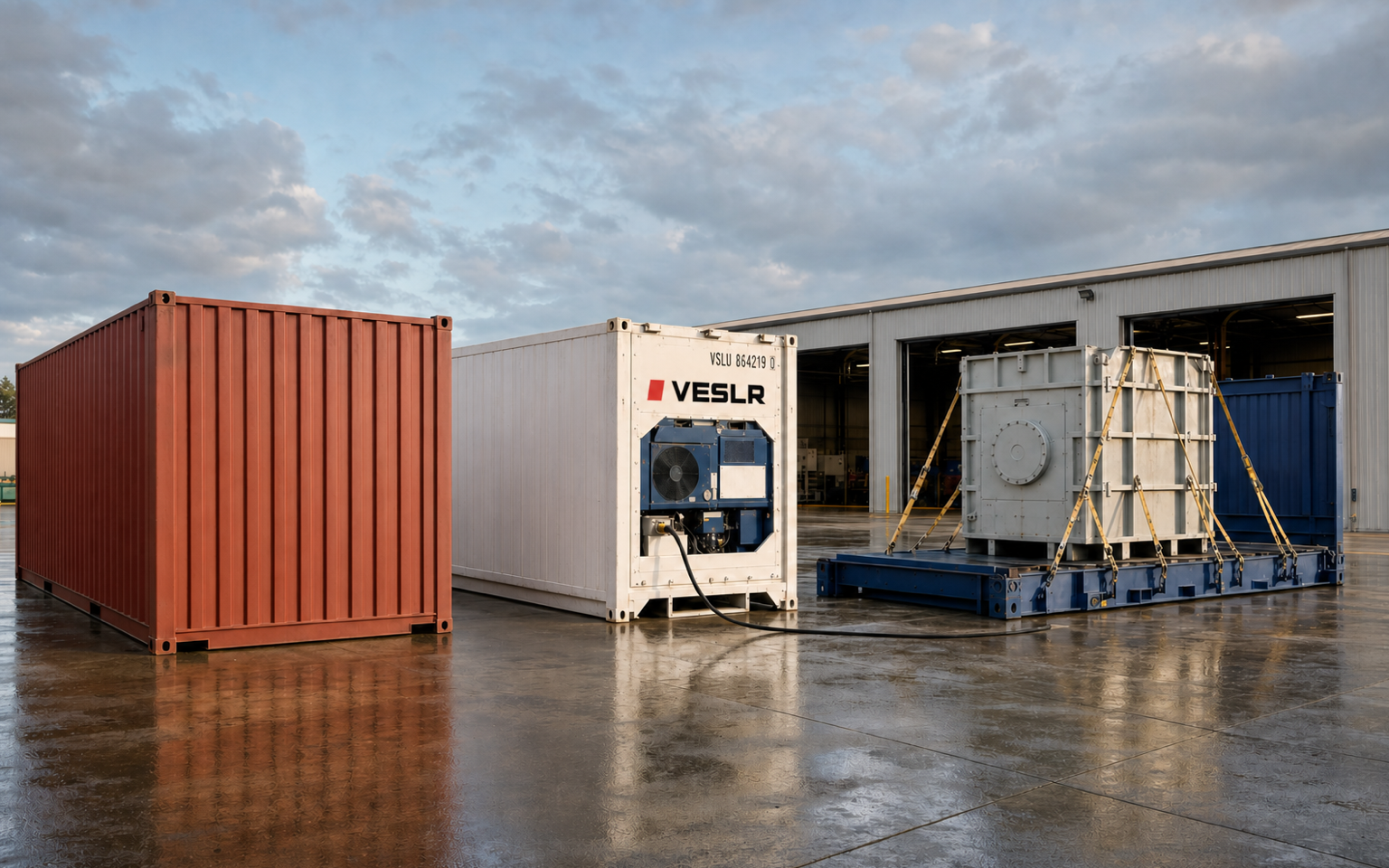
The filing separated dry, refrigerated, special, tank and chassis equipment and also used cost-equivalent units because different assets have different purchase economics. A reefer is not simply a dry box with a higher daily rate. It carries machinery, maintenance, power and technical condition requirements. Tank containers depend on product compatibility, cleaning and regulation. Flatracks and open tops serve specialized loads and can be difficult to reposition. When comparing a lease, specify the asset and job precisely. A broad fleet claim may be true while the exact unit remains unavailable. The equipment's revenue opportunity, operating cost, repair risk and residual market are all type-specific, which is particularly important for anyone assessing container ownership.
Redelivery is where a route change becomes a lease cost
A lease priced for one cycle can behave differently when the sailing route lengthens or the project slips. Extra days increase hire. A change in destination may fall outside approved redelivery locations. Returning the empty to a distant depot can add trucking, handling and emissions. Before pickup, confirm the approved depot, notice period, inspection method, cleaning standard and charges that continue until off-hire acceptance. If the ocean route is volatile, negotiate or model enough time rather than relying on the earliest schedule. Keep interchange records and photographs at pickup and return. Strong market utilization makes clear redelivery planning more important because depots and lessors need reliable information about where and when the next usable unit will appear.
Market evidence should inform ownership, not sell a return
High utilization can look attractive to a container investor, but it is only one driver. Triton states that profitability depends on lease revenue relative to ownership and operating costs, as well as gains or losses on used-equipment sales. An individual programme must also consider financing, management fees, repairs, storage, repositioning, insurance, customer credit, cash reserves and disposal. Large lessors benefit from scale, systems, customer relationships and depot networks that a small portfolio does not automatically reproduce. Use the filing to understand industry mechanics, not to project a guaranteed personal yield. Any ownership proposal should show container-level evidence, contractual rights and a transparent bridge from gross billing to net distributable cash.
Read equipment demand before signing a lease
- Confirm container type, quantity, pickup depot and release date
- Separate global utilization context from local unit availability
- Model hire through a realistic route and project buffer
- Agree redelivery location, inspection, cleaning and off-hire rules
- Budget positioning, handling, repair and storage exposure
- For ownership, reconcile gross lease revenue to all operating costs