The short answer
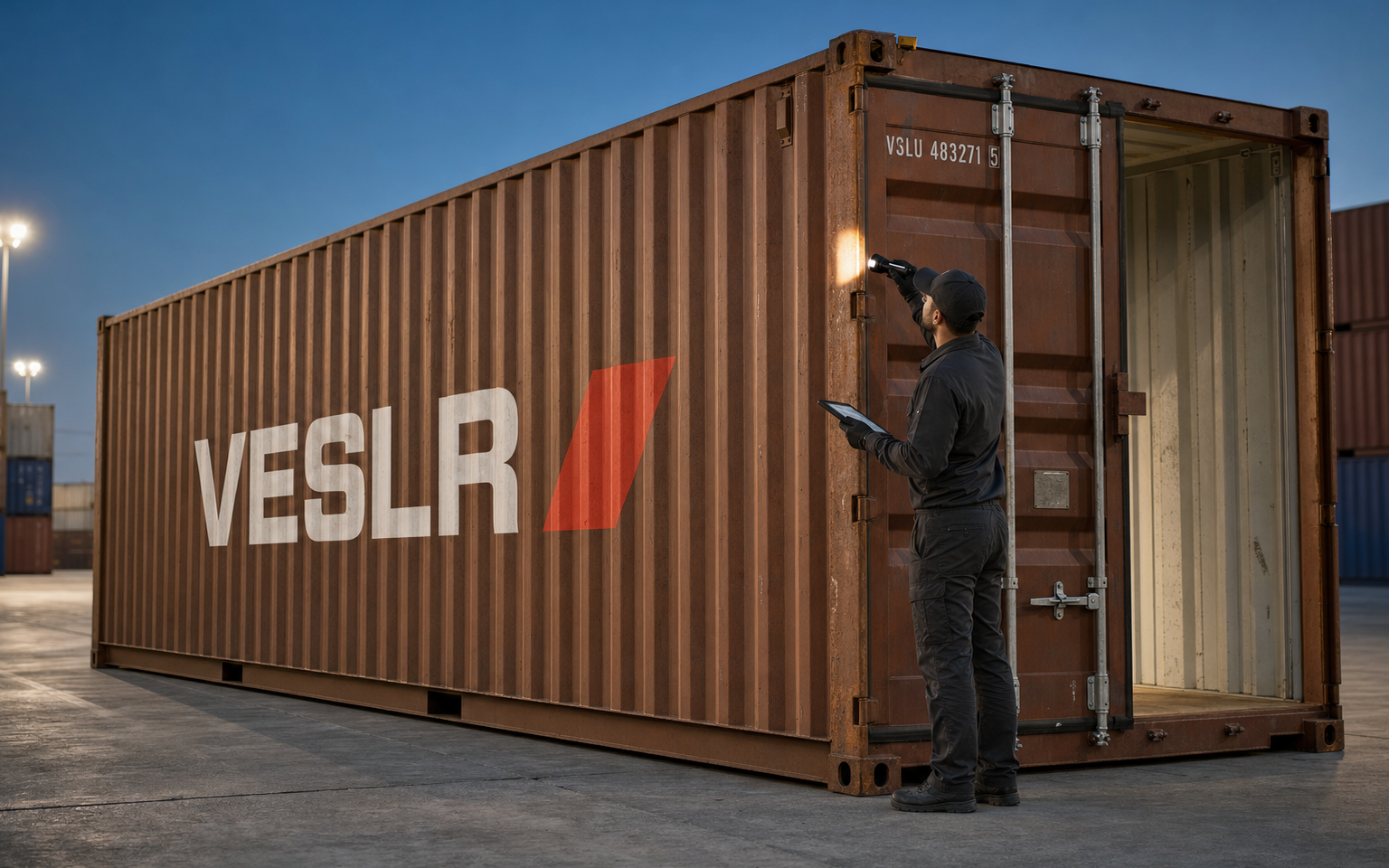
Condition descriptions vary by seller and market. Match the unit to its intended use, review recent inspection evidence and inspect structure, doors, roof, walls, floor, underside and identification before purchase.
Treat labels as descriptions, not universal grades
New or one-trip generally describes a recently manufactured unit with limited cargo use. Cargo-worthy indicates suitability for transport when supported by a valid inspection and required approvals. Wind-and-watertight is often used for storage-focused units, while as-is means defects may be present without repair. Sellers can apply terms differently. Ask for the written condition definition, inspection date and the standard used rather than relying on a headline label.
Inspect the load-bearing structure
Corner posts, rails, cross-members, corner castings and the underframe carry the container and its cargo. Look for significant deformation, cracks, poor repairs and corrosion that affects strength. Check roof and side panels for holes, deep dents or separation. Surface rust is different from structural section loss. If the unit will return to intermodal transport, use a qualified inspection process and confirm certification requirements.
Doors and floors reveal operational wear
Open and close both doors. Locking bars, hinges, seals and alignment should operate without excessive force. Light should not be visible through closed seals. Inspect the floor for delamination, oil, chemical staining, soft areas, holes and unauthorized repairs. Ask about prior cargo where contamination matters. A floor suitable for dry storage may not meet the needs of food, export cargo or heavy point loads.
Buy for the intended use
A storage unit on private land, a modification project and an export container have different requirements. Define whether the unit needs stacking, lifting, road transport, sea carriage, insulation or public access. Modifications can alter strength and certification. Include delivery access, crane placement and foundations in the purchase plan. The lowest-priced box can become expensive if it needs repairs or transport that were not considered.
Used-container inspection
- Identity plate and ownership status
- Corner posts, rails and castings
- Roof, walls and weld repairs
- Door operation and seals
- Floor condition and contamination
- Underframe, cross-members and delivery access


