The short answer
Use one nominated China warehouse or forwarder to receive each supplier’s cargo against a booking reference, inspect counts and packaging, record final dimensions, hold exceptions and build one approved export plan. Savings come from combining compatible freight—not from hiding distinct products or documents inside one container.
Consolidate when the orders are compatible
Combining several Alibaba purchases can replace multiple courier or LCL shipments with one larger LCL movement or full container. It may reduce duplicated minimum charges and make destination receiving simpler. It can also create waiting time, warehouse cost and concentration risk. Start by mapping supplier locations, production dates, cargo volume, weight, handling, product compatibility and import requirements. Suppliers spread across distant provinces may generate enough domestic trucking to weaken the saving. Food, chemicals, batteries, fragile goods, high-value items or cargo with odor and contamination sensitivity may not belong in the same load without specialist review. Each product still needs correct invoices, packing data, classification and certificates. Consolidation is a physical and scheduling strategy; it does not turn several purchases into one undifferentiated commodity. Use it when the consolidated operating plan is genuinely clearer and more economical than separate movements.
Give one warehouse authority to control receiving
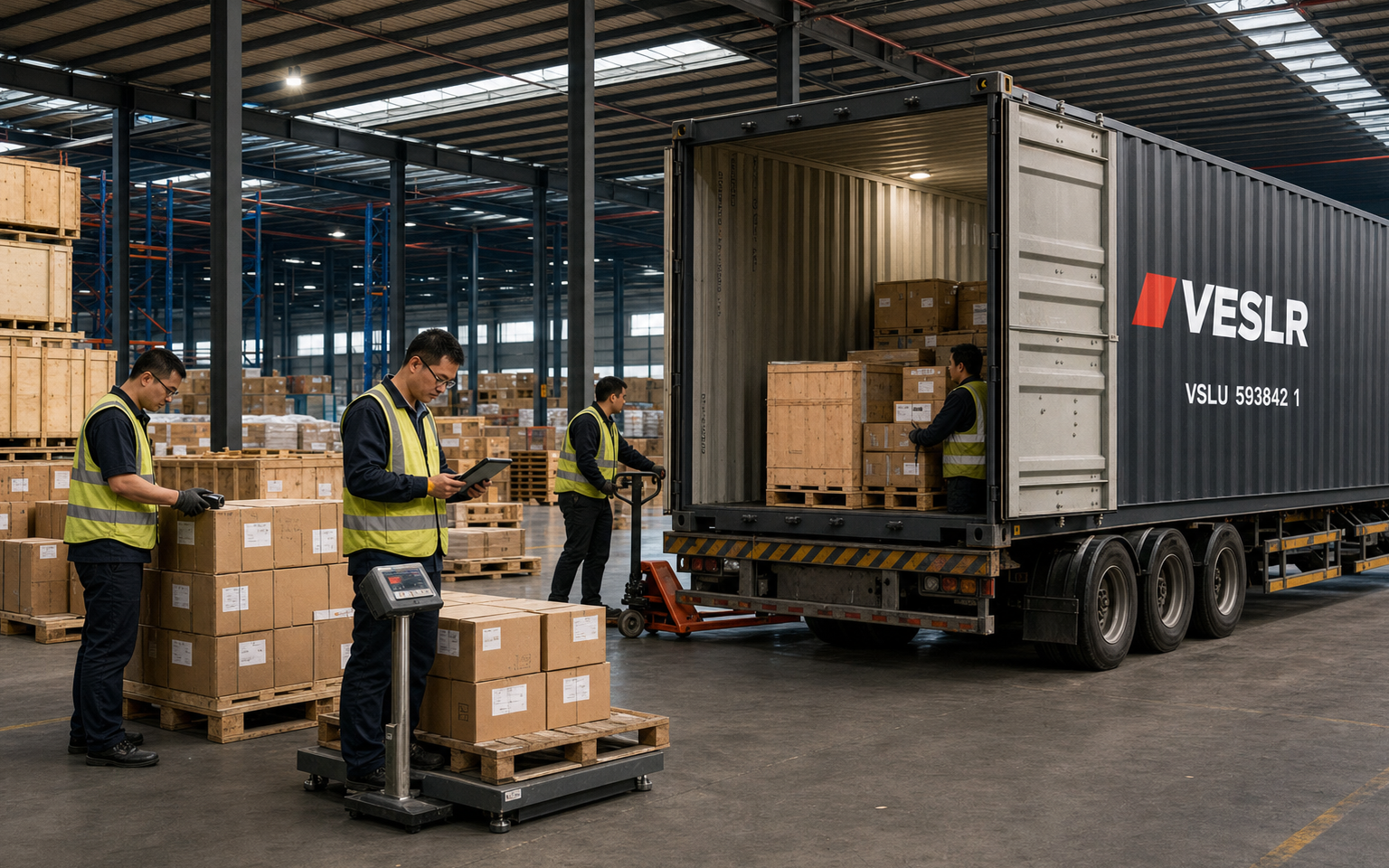
Nominate the consolidation point before telling suppliers where to ship. Provide every supplier with the warehouse address in Chinese, receiving hours, contact procedure, booking reference, carton marks and pre-alert requirements. The warehouse should know the expected supplier, purchase order, package count, weight, dimensions and ready date. Define what happens when cargo arrives damaged, unmarked, late or materially different from the booking. Basic receiving may count packages and inspect visible condition; detailed product checks or repacking need a separate scope. Ask for time-stamped photographs, measured volume and an exception report. Do not allow unannounced cargo to be casually absorbed into the shipment. A missing carton discovered after export is much harder to resolve. The warehouse is not merely rented floor space—it is the control point where several supplier promises become one transport-ready inventory.
Build the departure around the slowest critical supplier
Create a supplier matrix with production completion, inspection, payment release, domestic dispatch, warehouse arrival and accepted-for-export dates. Add a sensible receiving buffer before the consolidation cut-off. Decide in advance how long the group will wait for a late order and who can approve shipping without it. A small low-value supplier should not automatically delay a high-value seasonal shipment. Conversely, sending the main container without a critical component can make the entire import unusable. Share deadlines in China local time and ask suppliers to flag risk before the promised completion date. Reserve freight based on realistic final volume, then update it after warehouse measurement. If the combined cargo may cross from LCL into FCL territory, ask the forwarder to compare both outcomes before the booking becomes difficult to change. Consolidation saves money only when delay cost is included in the decision.
Keep quality control tied to each supplier
Consolidating transport does not consolidate accountability. Maintain an approved specification, sample, inspection record and commercial agreement for every supplier. Wherever possible, inspect at the factory before the goods leave, because rework is easier where the product was made. The warehouse can perform agreed receiving checks, but it may not have the tools or product knowledge for a full quality inspection. If you need combined kitting, labelling or repacking, provide exact instructions, sample photographs and acceptable tolerances. Track cartons by supplier and SKU until final packing. When defects are found, quarantine the affected lot and record who decides to rework, return, replace or ship. Do not let a sailing deadline silently convert rejected goods into accepted goods. Clear lot identity also protects the other suppliers: one non-compliant product should not make the entire consolidated shipment impossible to explain.
Create one document map without erasing the separate transactions
Ask a customs professional how multiple supplier invoices and packing lists should be presented for the destination entry. Requirements depend on the parties, products and jurisdiction. The freight forwarder needs a master cargo summary that reconciles supplier, package marks, cartons, weights and dimensions with the final load. Each commercial invoice should identify the actual seller, buyer, goods, value, currency and agreed term. Origin or conformity evidence may be product- or supplier-specific. Check that descriptions and quantities remain consistent through export, transport and import documents. Avoid asking a supplier or forwarder to simplify the paperwork by changing genuine values or collapsing products into vague descriptions. Consolidation should improve control, not make the commercial trail less truthful. Send document drafts for destination review before departure and preserve a folder for each supplier plus the final shipment-level file.
Approve the final load and allocation
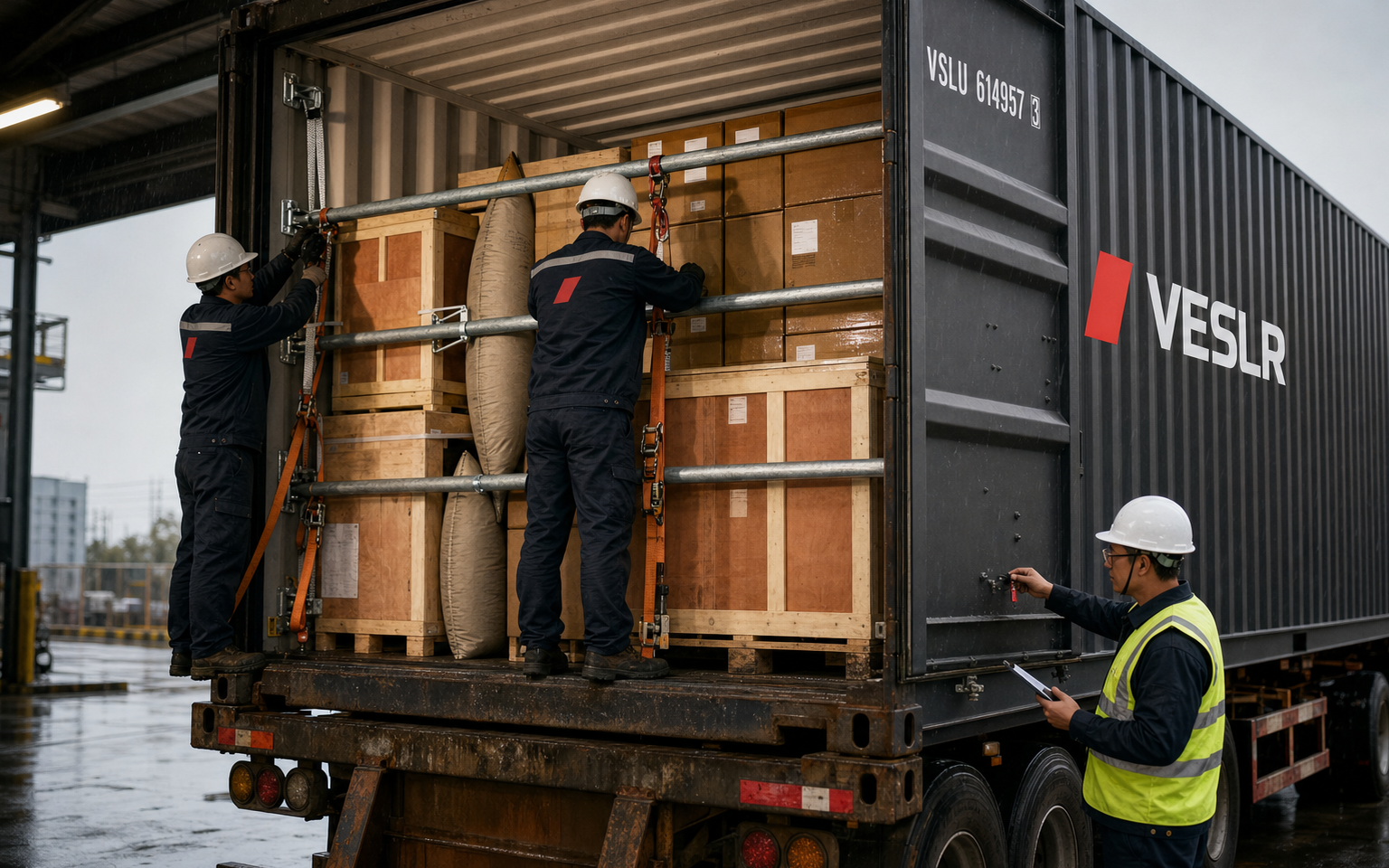
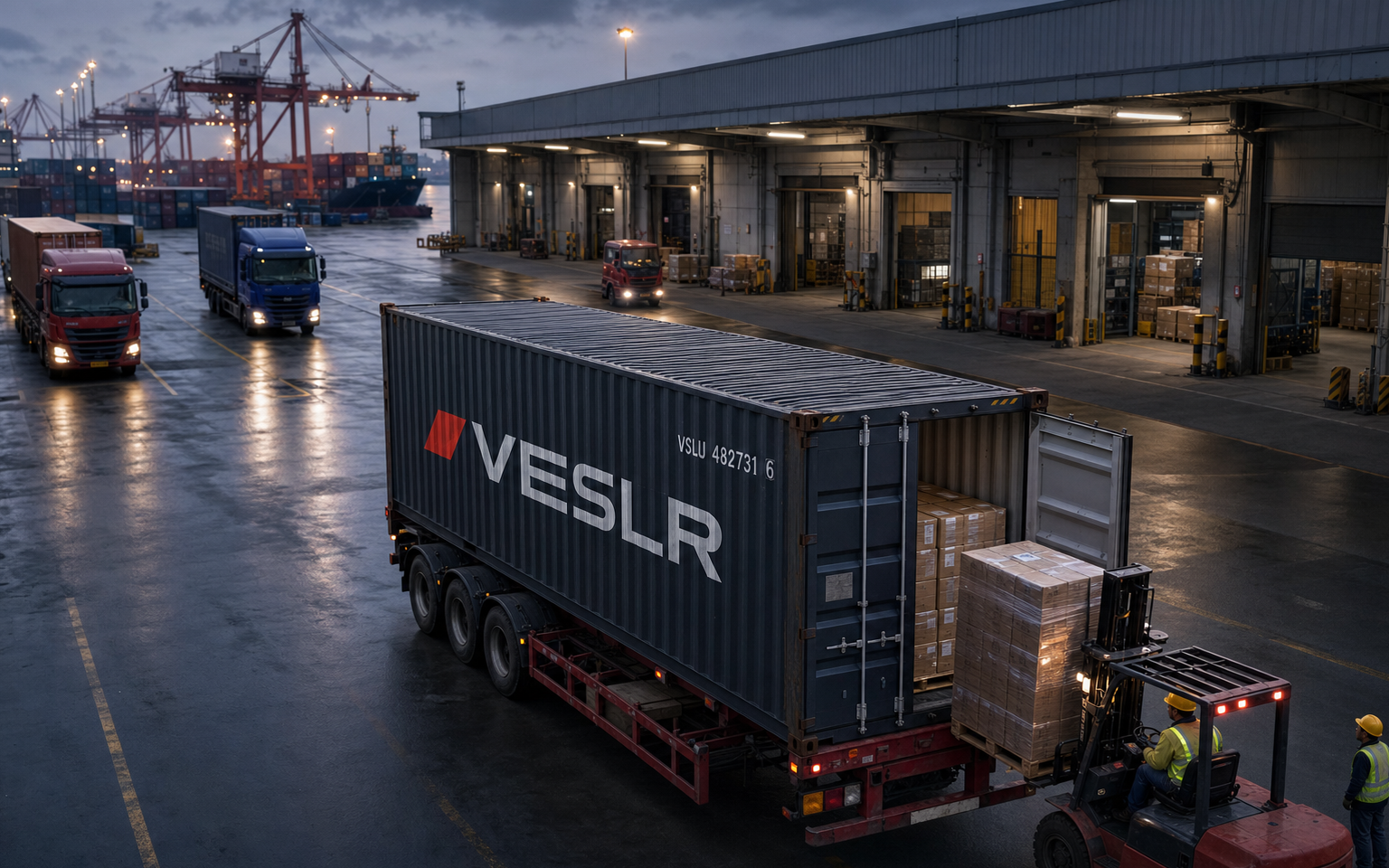
Once all accepted cargo is measured, request the final inventory and packing proposal. Confirm whether the shipment is LCL or FCL, how heavy goods are distributed, which cargo may be stacked, what protection and securing are used and how destination unloading will work. For a full container, consider loading supervision with photographs of the empty unit, its actual ISO 6346 container number, the fitted security seal number, stages of loading and closed doors. Allocate shared freight and consolidation charges using a documented method such as volume, chargeable weight or handling requirement; assign direct costs to the supplier or SKU that caused them. At destination, receive against the warehouse inventory rather than memory. After delivery, measure the saving against separate-shipment estimates and include extra trucking, storage, handling and delay. That honest post-shipment comparison will tell you whether to consolidate the next order, change the warehouse or align supplier production more closely.
Multi-supplier consolidation control sheet
- Supplier locations, products and ready dates mapped
- Compatible cargo and destination requirements confirmed
- Warehouse booking references and receiving rules issued
- Factory inspection and warehouse receiving scopes separated
- Late-supplier decision deadline assigned
- Supplier documents reconcile to the master cargo summary
- Final inventory and load plan approved
- Shared costs allocated and actual savings reviewed