The short answer
For a first China-to-Qatar import, verify the supplier and product, confirm Qatar-specific compliance and importer requirements, approve final packing and inspection, choose a transparent Incoterm and freight scope, review documents before departure, prepare customs clearance and book a workable Doha delivery and empty-container return plan.
Confirm that the product can be sold or used in Qatar
Start with the exact product, material, model, intended use and HS classification—not the broad Alibaba category. Check current Qatar import, labelling, conformity, safety, health, telecommunications, food, chemical or other requirements that may apply through the relevant authorities and a qualified customs or compliance professional. Some products may need approval, registration, test evidence, Arabic labelling or other steps before shipping; requirements vary and can change. Confirm the importer’s legal details and ability to act in the transaction. Ask whether any controlled brand, intellectual-property or agency issue applies. Share the compliance specification with the China supplier before production so labels, plugs, documentation and packaging are correct. A certificate from a supplier folder may not cover your exact model or current standard—verify scope and issuer. Product eligibility is the first gate because freight cannot solve a goods-compliance problem after the container arrives at Hamad Port.
Turn the Alibaba conversation into a controlled order
Verify the Chinese legal company, its role as manufacturer or trader, production capability and bank beneficiary. Approve a measurable product specification and sample, then record quantity, price, payment milestones, Incoterm with named place, production date, inspection rights, packaging and remedies in the purchase documents. Decide who handles China pickup, export work and booking. For a first Qatar shipment, a clearly scoped arrangement in which the supplier handles agreed origin obligations and your forwarder explains freight and destination tasks can be easier to audit than an opaque door-delivered offer. If considering DDP, verify who lawfully imports the goods, how duty and tax are handled and which final customs records you receive. Never accept undervaluation or vague cargo descriptions to lower the apparent cost. Build the import around a genuine, documented transaction that your bank, accountant, broker and customer can understand.
Lock the packing data and inspect before release
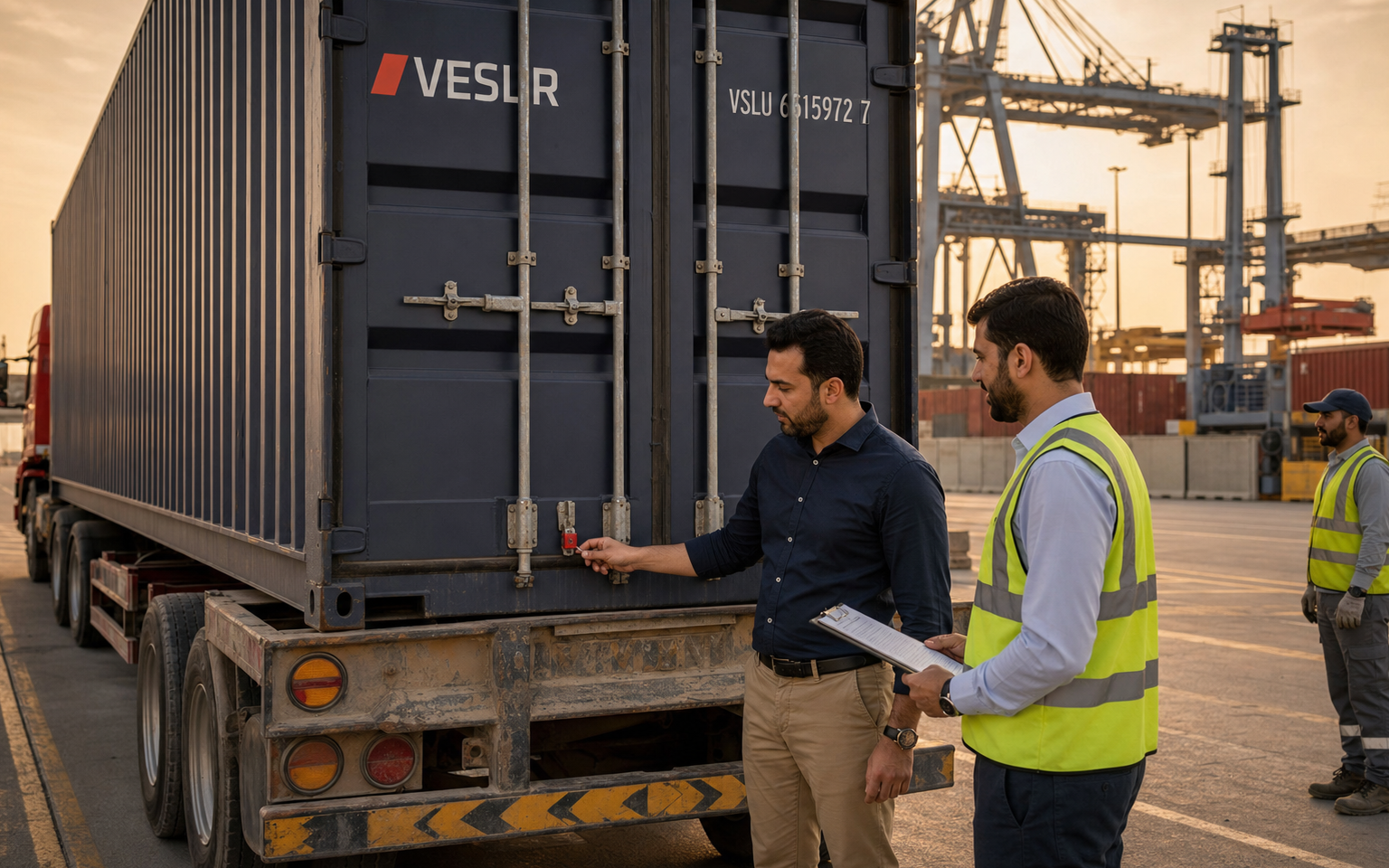
Ask for final carton or pallet count, dimensions, volume, gross and net weight, shipping marks and cargo-ready address. Those figures determine whether courier, air, LCL or FCL is suitable and allow the forwarder to update the quote. Specify export packaging for the product and route, including moisture, crushing, fragility and stacking needs. Book a pre-shipment inspection against the approved specification with time for correction and reinspection before freight cut-off. Review quantity, workmanship, function, labels, accessories and packing. For full-container cargo, consider loading supervision to record the actual container’s condition and ISO 6346 identification number, loading, securing, closed doors and fitted security seal number. Do not pay the final balance only because the supplier says production is complete; align payment with the evidence and contract structure available to you. Inspection does not eliminate risk, but it moves a valuable decision to a moment when the goods are still accessible in China.
Compare the complete China-to-Doha movement
Send the same shipment brief to forwarders: supplier address, cargo, packed measurements, ready date, Incoterm, special handling and final Doha delivery point. Ask for LCL and FCL scenarios when the volume is close, or air freight for a genuinely urgent portion. The quotation should identify origin handling, main carriage, routing, estimated transit, destination charges, customs-support scope, final delivery, exclusions and validity. For ocean cargo, confirm the China gateway that makes sense for the supplier cluster and the planned service to Hamad Port. The lowest ocean line can be outweighed by origin trucking, transshipment time or destination LCL charges. Arrange insurance based on the cargo and commercial risk, understanding cover and claims evidence. Keep schedule estimates as ranges and leave room for inspection, customs and delivery. Qatar may be the destination, but the quality of the movement depends on every handoff from the factory onward.
Review the Qatar document file before the vessel sails
Prepare the commercial invoice, packing list and transport-document instructions so legal names, product descriptions, quantities, values, currency, origin, Incoterm, package count and weights are consistent. Add the destination-required origin, conformity, test, permit or commodity documents confirmed for your shipment. Ask the appointed customs professional to review drafts and advise on current originals, electronic records, translations or attestations that may be required. Confirm the HS classification and lawful customs value; do not rely on a code or duty estimate copied from a different product. Send a complete pre-alert before arrival and make sure the responsible person can answer questions promptly. Hamad Port, carrier and customs processes operate to real deadlines. A corrected draft in China is usually easier to manage than a document amendment or missing approval after discharge. Retain the purchase, payment, inspection, insurance and supplier-verification evidence alongside the customs file.
Own the Hamad Port-to-door handoff
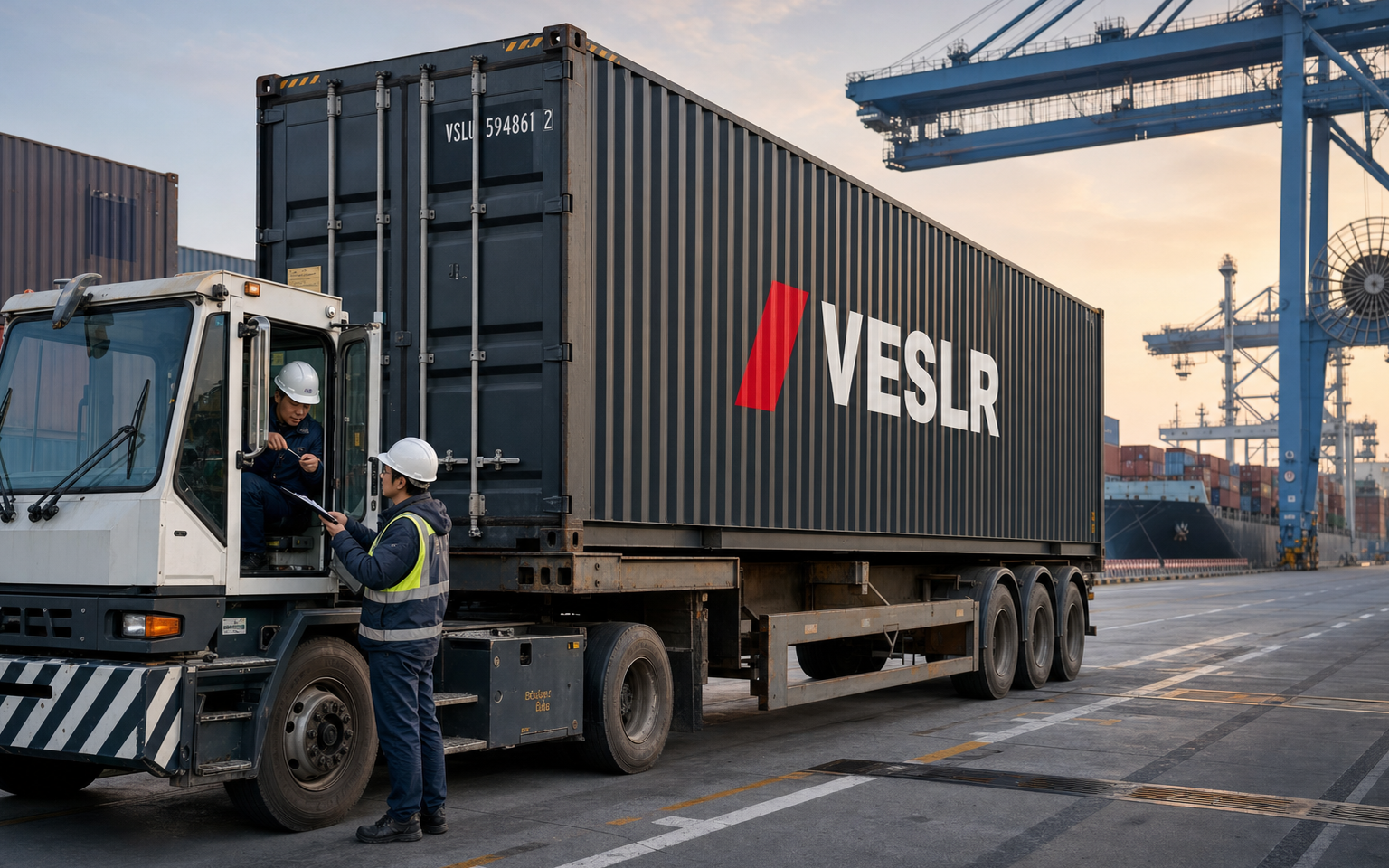
Track the arrival notice and container availability, but plan trucking before the cargo lands. Understand carrier or forwarder free time, port or warehouse storage exposure, customs examination possibilities and the empty-container return requirement for FCL. Confirm who pays each charge and who receives operational notices. Provide the delivery address, access hours, contact, truck restrictions and unloading method. A floor-loaded container may need labour and time; a palletized load needs suitable equipment; a heavy or oversized item may need a crane, permit or route review. Check that the site has a level safe area and can complete unloading within the appointment and equipment limits. For LCL, understand cargo release and warehouse collection procedures. Record package condition at receipt and notify the insurer and responsible parties promptly if damage or shortage is found. The shipment is complete when the cargo is safely received and the equipment obligations are closed—not when the vessel docks.
Close the first shipment with an actual landed-cost review
Before ordering, estimate product, inspection, origin, freight, insurance, duty, non-recoverable tax, destination, delivery and contingency. Model cash timing as well as margin: deposits and logistics charges can be due weeks before customer revenue. After delivery, replace estimates with invoices and customs records. Calculate landed cost per saleable unit, allowing for damage, samples or inspection failures. Record differences in volume, exchange rate, freight, duty, local charges and timing. Then hold a short review with whoever managed sourcing, finance and freight. What did the supplier provide late? Which document needed correction? Did LCL or FCL behave as expected? Was the delivery site prepared? Update the shipment brief and supplier instructions before reordering. The first import is valuable business intelligence. Used well, it makes the next China-to-Qatar movement easier to quote, easier to finance and less likely to rely on assumptions hidden in chat history.
China-to-Qatar first-import control list
- Qatar product, importer and compliance requirements confirmed
- Supplier identity, capability, beneficiary and contract checked
- Final packing data and independent inspection approved
- Incoterm and named place match the actual operating scope
- Freight quote covers China origin through Doha delivery
- Invoice, packing list, transport and certificates reconciled
- Customs review and pre-alert completed before arrival
- Hamad Port release, trucking, unloading and empty return assigned
- Estimated and actual landed costs reviewed per saleable unit