The short answer
EXW gives the buyer broad control from the supplier’s premises, FOB places more origin responsibility with the seller up to the named port, and DDP puts the widest delivery obligation on the seller. For a first importer, FOB plus a transparent destination plan is often easier to audit than either extreme—but the right answer depends on the shipment and local import rules.
Start with what Incoterms do—and what they do not
Incoterms are standardized trade rules used to describe how seller and buyer delivery obligations, costs and risk are divided. They are not payment terms, a transfer-of-ownership clause, a complete shipping quotation or a guarantee that customs will accept the transaction. Always use the current agreed rule and a precise named place, such as EXW followed by the supplier’s actual premises or FOB followed by a named port. A message that says only ‘FOB price’ leaves room for disagreement about trucking, terminal work and export charges. Record the term in the quotation, purchase order and sales contract. Then create a separate freight scope listing collection, origin handling, export clearance, main carriage, insurance, destination handling, import clearance and delivery. This separation is useful because two suppliers can both quote FOB while including different operational details. The three letters open the conversation; they should never be the entire conversation.
EXW: maximum buyer coordination begins at the factory
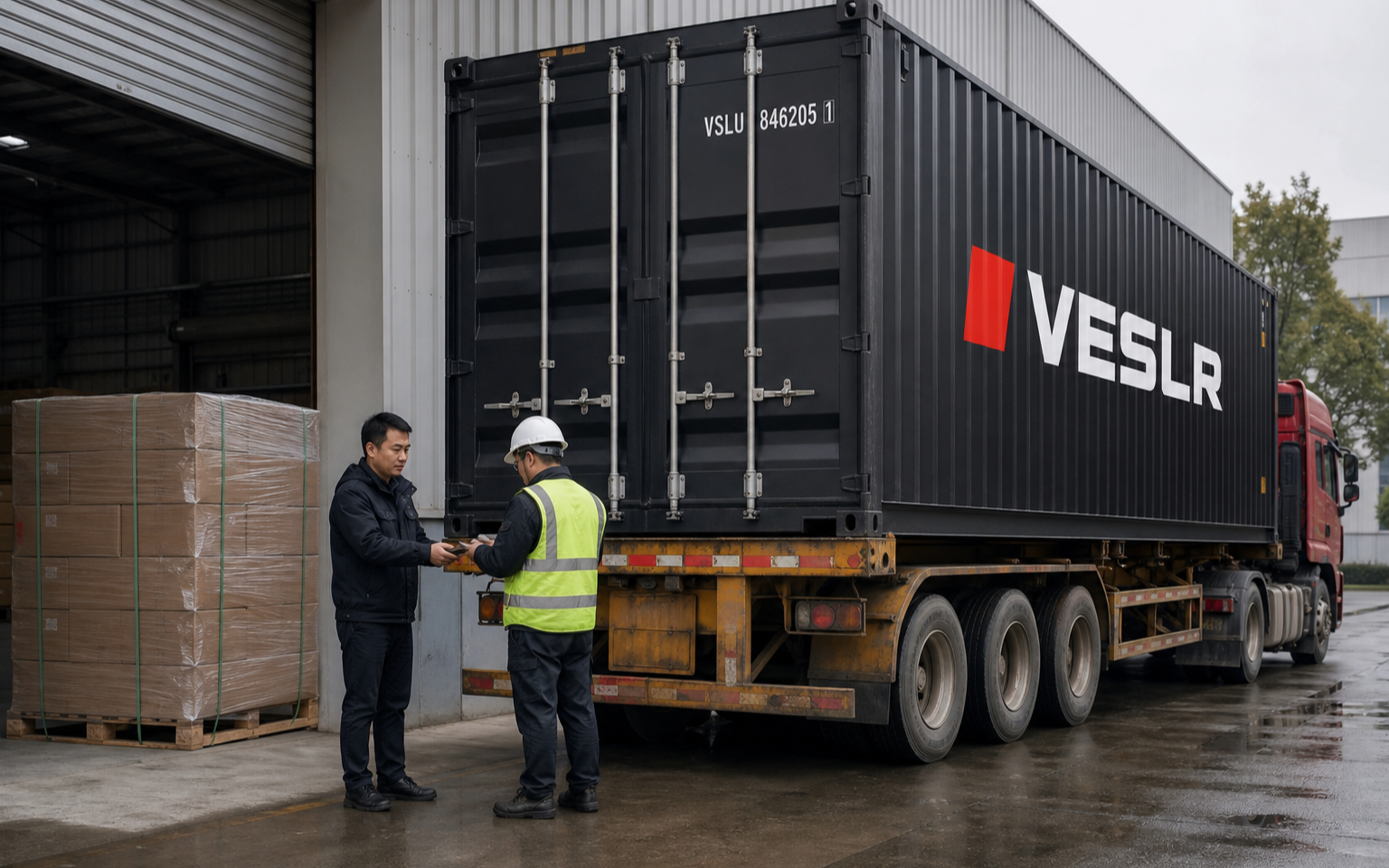
Under an EXW arrangement, the seller’s delivery obligation is generally centered on making the goods available at the named premises. The buyer may need to arrange collection, loading and export-side activity, depending on the contract and applicable practice. That can be attractive when you have a forwarder with dependable origin coverage, multiple suppliers to consolidate or a reason to control the movement from pickup. It can be awkward for a first importer who assumes the driver will simply arrive and everything else is included. Confirm whether the supplier loads the vehicle, provides export-capable documentation and can support any required origin formalities. Ask your forwarder for pickup access, truck type, cargo-ready procedure and export handling. A low EXW product price may be perfectly fair, but it is not comparable with an FOB price until the origin costs and responsibilities are added. Use EXW because it supports your operating model, not because the first number appears smaller.
FOB: a useful middle ground for containerized ocean imports
FOB is widely discussed on Alibaba because it can create a practical division: the seller manages defined origin obligations to the named port and the buyer controls the ocean freight and destination side. The exact legal rule should be reviewed for the shipment, and containerized cargo may also prompt advisers to consider other terms such as FCA depending on how delivery occurs. Operationally, the buyer should still ask which origin charges the supplier includes, who books with the nominated carrier or forwarder, how the shipping instructions are exchanged and what happens if production misses the cut-off. Do not assume ‘FOB Shenzhen’ identifies the actual terminal or gateway. Use the specific named port and agreed detail. FOB is useful when you want visibility of the main freight, destination charges and arrival process without organizing the first truck from a factory you have never visited. It is not automatically best; it is simply easier for many newcomers to map and verify.
DDP: convenient on the surface, demanding underneath
A DDP quote can feel like online shopping: one price to your door. The seller carries extensive delivery obligations, but the buyer still needs to understand how the shipment will lawfully enter the destination country. Ask who is the importer of record, whose tax or customs registration is used, how duties and taxes are calculated, which documents you receive and whether the declared value and product classification reflect the genuine transaction. Be cautious when a quote is far below transparent freight and tax estimates or when the seller refuses to name the carrier, broker or import process. An unclear DDP chain can create tax-record problems, customs exposure, cargo holds or a delivery that arrives without usable import evidence. In Qatar, India and other markets, confirm current import requirements with a qualified local adviser. Convenience is real only when the underlying declaration, responsibilities and paperwork are legitimate and visible.
Compare the total controlled cost, not the supplier’s headline
Create three columns for each offer: seller responsibility, buyer responsibility and variables triggered by events. Add product cost, China pickup, origin handling, export formalities, main freight, insurance, destination handling, duty, tax, customs support and final delivery. Note whose quotation supports each amount and how long it remains valid. Then assess control: can you obtain the transport document, approve the declaration, monitor milestones and respond if customs or the carrier needs information? A slightly higher scoped offer may be the better first shipment if it removes an unowned handoff. Conversely, paying a supplier for DDP does not create control if the provider network is hidden. The useful comparison is landed cost plus operational visibility. That is the combination that lets you repeat the shipment and explain the numbers to your accountant, customer or finance team.
Use a short decision rule for the first order
Choose EXW when you have capable origin coordination and want control from the supplier’s location, perhaps because you are consolidating several orders. Choose a clearly defined FOB or similar origin-delivered structure when the supplier can handle export-side work and you want your forwarder to manage the international and destination legs. Choose DDP only after the importer, declaration, tax treatment, documentation and delivery chain have been made transparent and checked for the destination. Whichever term you use, ask the supplier and forwarder to repeat their responsibilities in ordinary language. If their descriptions overlap or leave a gap, solve it before payment or pickup. Incoterms are most powerful when they make accountability clearer. They become risky when they are treated as a shortcut around understanding the shipment.
Questions before accepting an Alibaba Incoterm
- Is the rule written with an exact named place or port?
- Who loads and collects the cargo at the supplier?
- Who handles origin charges and export formalities?
- Who books main freight and receives the transport documents?
- Who acts as importer and supports the destination declaration?
- Are duties, taxes and destination charges included or estimated?
- Who delivers, unloads and manages an exception?
- Does the same term appear on the contract and commercial documents?