The short answer
A 20ft container often suits dense or smaller cargo lots; a 40ft or 40ft high cube suits higher-volume, lighter cargo. Select by payload, internal and door dimensions, loading pattern and route access—not length alone.
Volume and payload behave differently
A 40ft unit offers substantially more internal volume, but maximum gross weights are not simply double those of a 20ft. Dense commodities may reach payload limits in the smaller footprint, making a 20ft operationally efficient. Light, bulky cargo can use the extra volume of a 40ft high cube. Calculate the packed cargo volume and gross weight, then test a realistic loading arrangement. Packaging shape and unstackable items can leave significant unusable space.
Door dimensions and loading pattern matter
Internal dimensions tell you what could sit inside; door dimensions tell you what can enter. Check the largest package and the turning room needed by forklifts or pallet jacks. Long cargo may fit diagonally in theory but remain unsafe to load or secure. Plan weight distribution across the floor and avoid concentrated loads beyond equipment limits. If cargo is hand-loaded, consider the labour and time difference between deep and compact loading spaces.
The road and site may decide
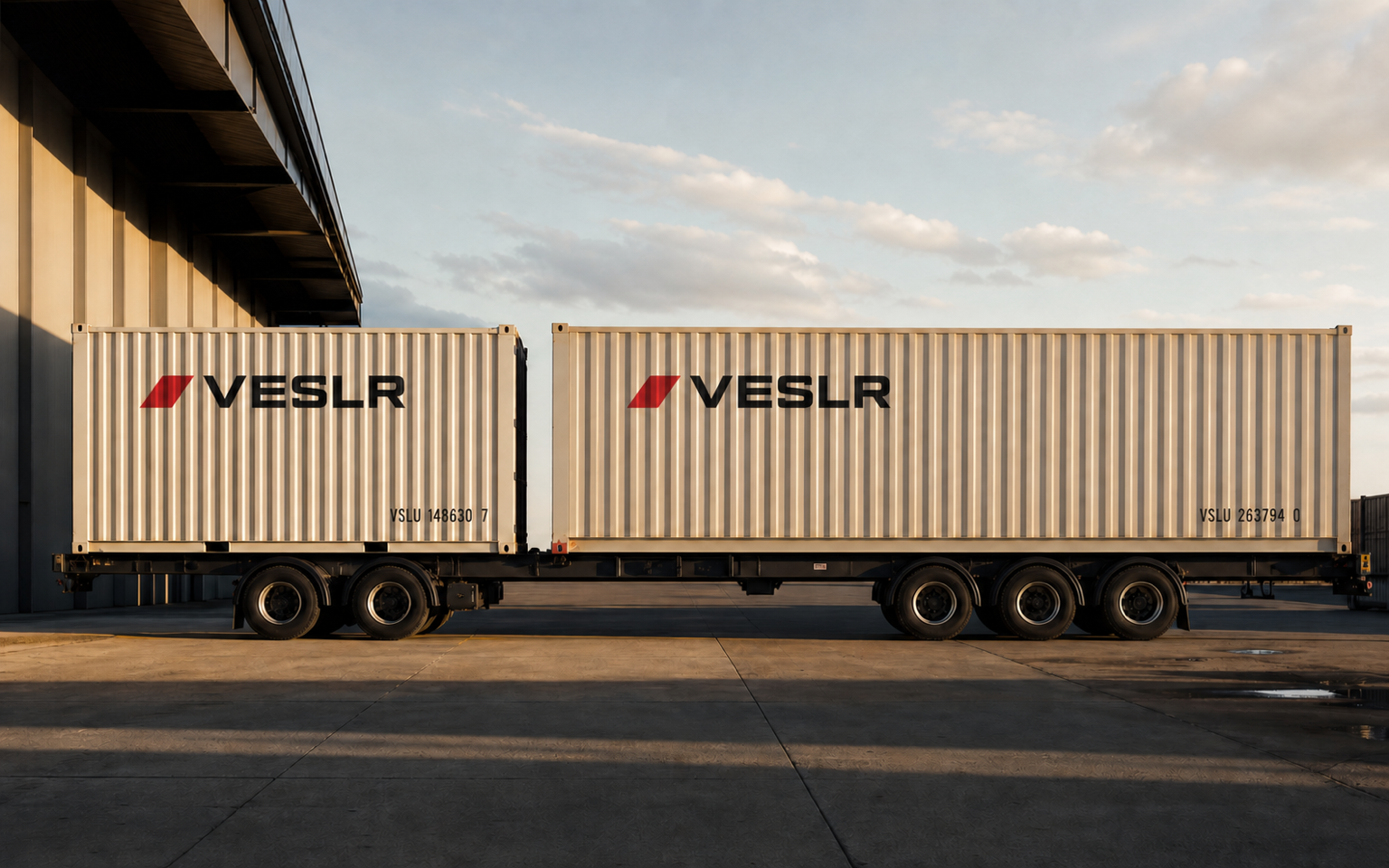
A 40ft container needs more turning room and a suitable chassis. Narrow gates, short loading bays and congested sites can make the longer unit difficult even when it is commercially attractive. A 20ft unit can be easier to position, but very heavy payloads still require the correct vehicle and road compliance. Confirm delivery method, trailer type, lifting arrangement and ground bearing capacity for site storage.
Compare total cost per useful unit
Ocean or lease rates do not scale perfectly with length. Compare cost per cubic metre or pallet only after checking utilization. Two partially filled 20ft containers may cost more than one well-packed 40ft, while one overweight 40ft load may need to be split. Include packing labour, trucking, handling, storage and the value of shipment frequency. The operationally cheapest option is the one that moves the required cargo safely with the fewest avoidable constraints.
Size comparison inputs
- Total packed volume
- Gross cargo weight
- Largest package and door clearance
- Loading and securing method
- Truck and site access
- Shipment frequency and split risk


